Your excavator is already on site. There is scrap metal everywhere – rebar, steel plates, shredded cars, demolition debris. Picking it up by hand is slow. A grapple drops pieces. What if your excavator could simply lift any ferrous metal like a giant magnet?
That is exactly what an excavator magnet attachment does. It turns your machine into a mobile scrap collector. You drive over the metal, switch on the magnet, and the metal sticks. Drive to the pile, switch off, and the metal drops. No buckets, no grapples, no manual labour.
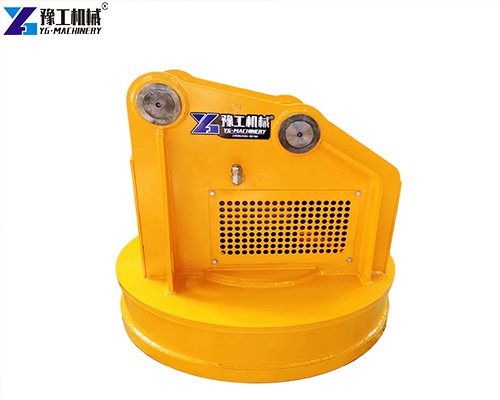
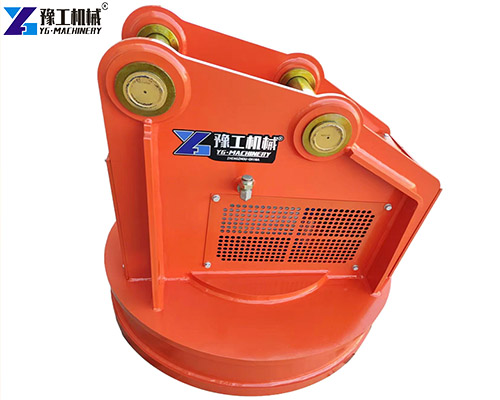
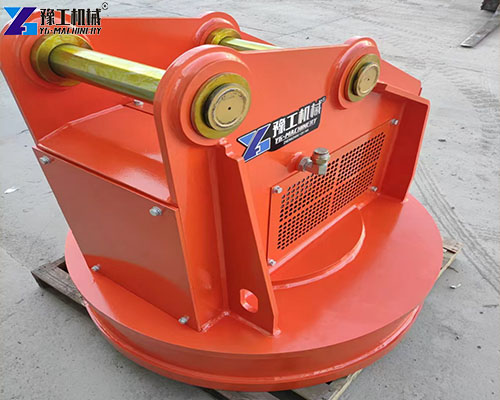
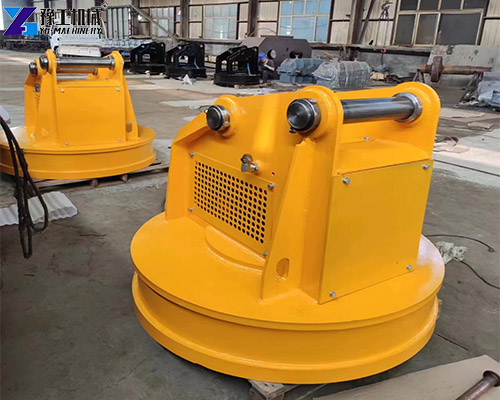
YG Machinery offers the YGML series of hydraulic excavator magnets. Seven models from YGML02 to YGML20 fit excavators from 4 tons up to 50 tons. They generate their own power using a built-in hydraulic generator – no external electrical source needed. The magnet face diameter ranges from 700mm to 1400mm. Weight from 1400kg to 2800kg. This article explains the specs, how it works, and why adding a hydraulic magnet makes your excavator a scrap handling machine.
A normal electromagnet needs 220V or 440V AC power. But an excavator does not have wall outlets. So a hydraulic magnet attachment solves this by building a small generator right into the unit.
Step 1 – Hydraulic oil flows. Your excavator’s auxiliary hydraulic circuit sends oil to the attachment through hoses.
Step 2 – The generator makes electricity. The hydraulic oil spins a hydraulic motor, which turns a generator. The generator produces DC electricity.
Step 3 – Magnet turns on. The electric current goes to the electromagnet coil. The magnet face becomes a powerful magnetic field. Ferrous metals (iron, steel) stick to it.
Step 4 – Pick up metal. Drive the excavator over scrap. Lower the magnet. The metal attaches. Lift and move.
Step 5 – Turn off to release. The operator switches a valve (usually in the cab) to stop the hydraulic flow. The generator stops. The magnet releases the metal.
No external generator, no power cables dragging behind. Everything is self-contained.
Why Choose An Excavator Magnet Attachment Over Other Attachments?
Feature
Hydraulic Magnet
Grapple
Bucket
Picking speed
Very fast – just drive over
Slow – need to grab
Slow – need to scoop
Selectivity
Picks only ferrous metal
Grabs everything
Grabs everything
Cleanliness
Does not pick dirt or rocks
Picks debris
Picks dirt and debris
Complexity
Simple on/off
Multiple moving parts
Simple but inefficient
Best for
Scrap yards, demolition, recycling
Mixed material handling
Bulk material
If your job involves separating steel from other debris (like after a building collapse or at a recycling plant), a hydraulic magnet for an excavator is unmatched. It only picks the metal. The rest stays on the ground.
Hydraulically powered – No external generator or power cord needed. Just connect to your excavator’s auxiliary circuit.
Q345 manganese steel construction – High strength, corrosion-resistant. Lasts long in harsh environments.
Semi‑permanent design – Fewer hoses and fittings mean less maintenance and fewer leaks.
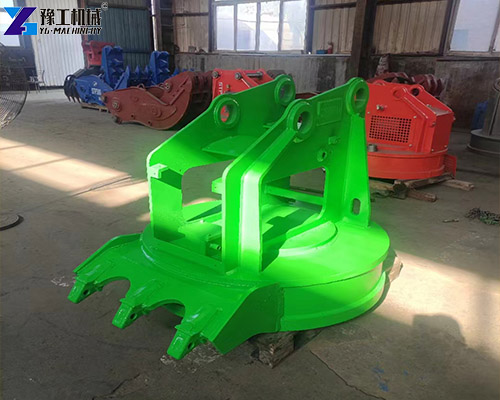
Two options – Standard (smooth face) or toothed for gripping irregular scrap.
Wide flow range – Each model works with a range of hydraulic flows. Your excavator does not need to match exactly – just stay within the min/max
Heavy lifting capacity – Large diameter and strong magnetic field lift heavy loads.
Turn Your Excavator Into A Scrap Magnet
An excavator magnet attachment is not a luxury – it is a productivity tool for any business that handles scrap metal. The YGML series gives you seven models to fit excavators from 4 to 50 tons. The built-in hydraulic generator means no external power supply. The Q345 manganese steel body is tough and corrosion-resistant. Just connect the hoses, and you are lifting steel.
Standard or toothed face? Pick based on your scrap. For flat plates and bulk scrap, the standard is fine. For tangled rebar or irregular scrap, choose toothed.
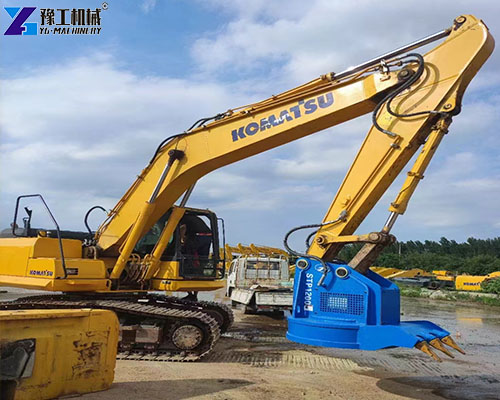
YG Machinery also offers shears and other demolition attachments. Contact YG with your excavator make, model, and typical scrap type. They will recommend the right hydraulic magnet for the excavator and provide a quote. Stop scooping – start lifting.
Does the magnet work on non‑ferrous metals like aluminium or copper?
No. Electromagnets only attract ferrous metals (iron and steel). Aluminium, copper, brass, stainless steel (some grades) are not magnetic.
Can I use it underwater?
Not recommended. The magnet coil and generator are not sealed for underwater use. Moisture can cause short circuits.
What is the difference between the standard and toothed versions?
Standard has a smooth face – good for flat plates and bulk scrap. Toothed has teeth or ridges – helps grip irregular shapes like twisted rebar or shredded scrap.
What maintenance is required?
Check hydraulic hoses for leaks. Inspect the magnet face for wear. The electrical generator requires no routine maintenance.
Can I use it on a wheel loader instead of an excavator?
Yes, if the loader has auxiliary hydraulics. But the mounting bracket must match. YG can customise.