Lie 1: “All portable buildings are flimsy.”
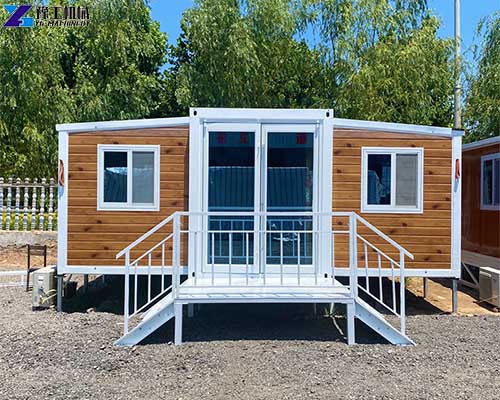
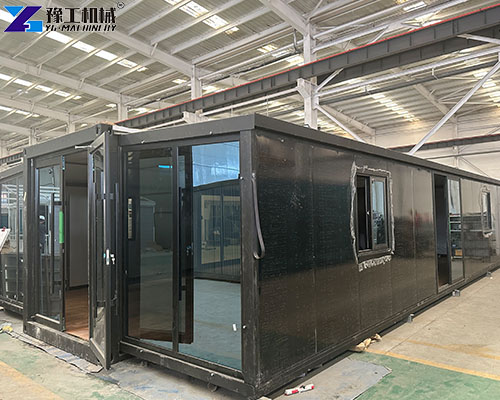
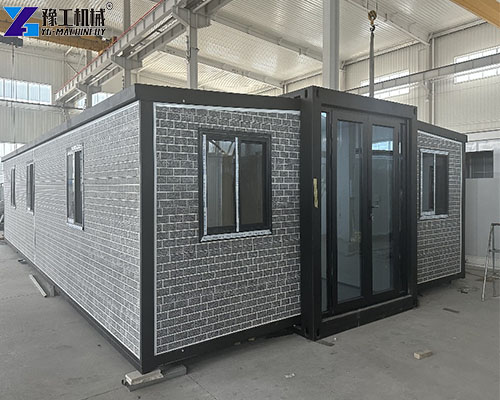
Truth about our foldable container house: Walk inside a 40FT unit. Stomp your feet. Knock on the wall. The sound is solid, not hollow. That is Q235 galvanised steel. The same steel is used in shipping containers that stack six high on cargo ships. The 40FT model weighs 7,000 kilograms. That is heavier than two pickup trucks. Lightweight buildings shake when the wind blows. This one does not. You do not need to tiptoe. You do not need to worry about the roof caving in under a foot of snow.
Lie 2: “You need a concrete pad before delivery.”
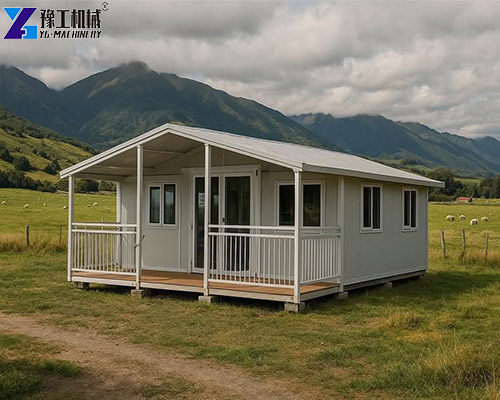
Truth about a folding portable house: Our 20FT model sits on compacted dirt. Gravel. Grass. Even sand, if it is dry and level. The reinforced steel base has integrated lifting points. Those points are not just for forklifts. They distribute the weight across the entire floor frame. No concrete truck. No rebar. No waiting three days for the slab to cure. Just find a reasonably flat spot. Clear the rocks. Set the unit down. That is your foundation. A foldable container house that asks for less from your site gives you more freedom to move it later.
Lie 3: “Setting up takes days or weeks.”
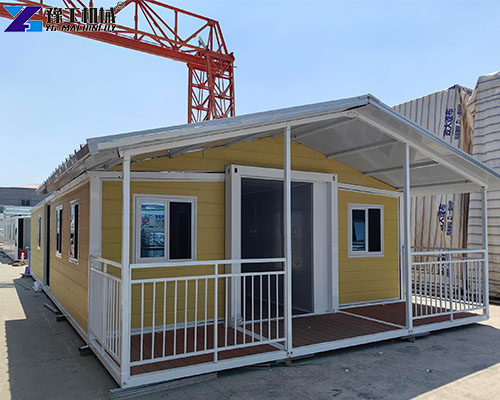
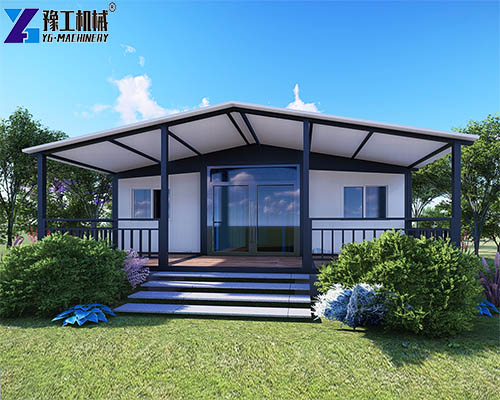
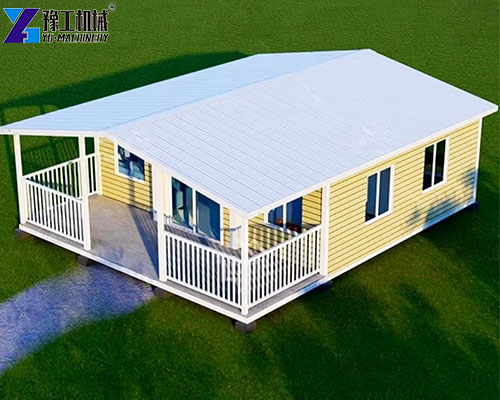
Truth about our collapsible house container: The 40FT arrives on a flatbed truck folded to 2.2 meters wide. That is about the width of a refrigerator lying on its side. Two hours later, with a forklift and a crew of three, it becomes 11.8 meters long and 6.1 meters wide. That is a two‑bedroom, one‑bathroom house. The sides swing out on steel hinges. The roof locks into place with bolts that click when they seat. You are not building. You are unfolding. Compare that to a stick‑built structure: permits, framing, roofing, plumbing, electrical. Months of work. Our folding portable house goes from truck to occupied in an afternoon.
Lie 4: “You have to install the bathroom yourself.”
Truth about our foldable container house: Open the door. The toilet is there. The washbasin is there. The shower is there. Pipes run inside the walls. Drain lines collect at a single outlet at one end. We do the messy work at our factory, where we have the right tools and the right people. On-site, you connect the outlet to your sewer, septic tank, or holding tank. You connect a water supply. That is it. No cutting holes. No soldering copper. No trips to the hardware store for a fitting you forgot. A foldable container house that comes with a working bathroom saves you days of on‑site labour.
Lie 5: “It will rust after one winter.”
Truth about our folding portable house: Q235 is structural steel. Galvanised means it is dipped in molten zinc. Zinc corrodes before steel does. That is the science. The zinc sacrifices itself so the steel stays intact. You can leave a collapsible house container in coastal fog, rainy mountains, or snowy fields for a decade. The surface may turn dull grey. That is the zinc oxidizing. The steel underneath is fine. No paint required. No yearly rust‑proofing. No “sorry, the building fell apart.” This is not a tent. This is not a plywood shack. This is steel that fights back.
Lie 6: “You cannot customise anything.”
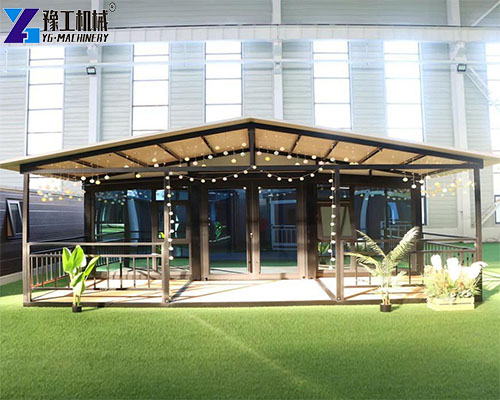
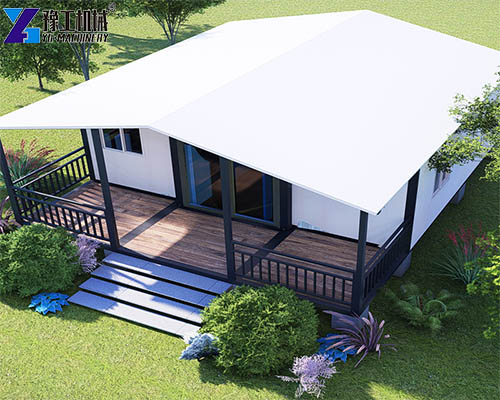
Truth about our foldable container house: The external folded dimensions are fixed. The hinge locations are fixed. The lifting points are fixed. Those are structural. Everything else is negotiable. Interior walls can be moved. Windows can be added or resized. Insulation type is your choice: EPS (light and affordable), Rock Wool (fireproof and quiet), or PU (best for extreme heat or cold). Want a different paint colour? We can do that. Want solar panel mounts on the roof? We can weld the brackets. Want a larger water heater? We can adjust the plumbing layout. Our folding portable house is a platform. You tell us what you need. We build it that way.
Lie 7: “It is too heavy to move after setup.”
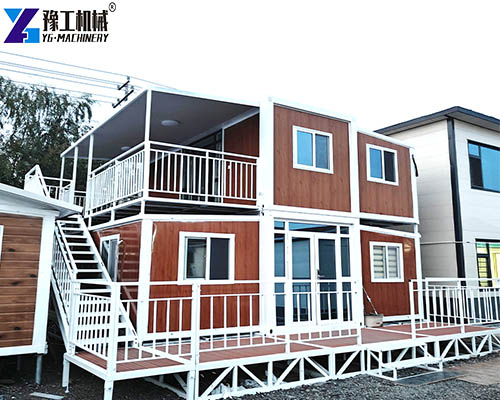
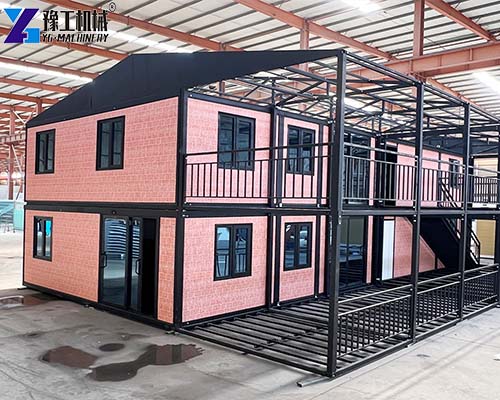
Truth about our collapsible house container: That 7,000kg 40FT unit does not become lighter when you unfold it. But the integrated lifting points are still there. The hinges still work in reverse. When your project finishes, call the forklift. Fold the sides back in. Lock the bolts. The unit returns to its 2.2-meter-wide folded state. Put it on a truck. Ship it to the next site. A foldable container house is not a permanent building. It is reusable infrastructure. Construction crews do this between projects. Mining camps do this when a vein runs out. Disaster relief organisations do this when a temporary shelter becomes a semi‑permanent clinic and then needs to relocate. The hinges are rated for hundreds of cycles. You will retire before they do.
One truth they never tell you: Cheap portable buildings save you money at the cash register. Then they take that money back through repairs, wasted labour, frustrated workers, and shorter lifespans.
Our foldable container house costs more to manufacture. It costs less to own.
20FT. 30FT. 40FT. And the small fold model that collapses to just 700mm wide — thinner than a standard doorframe. Each one comes with pre‑installed electrical wiring, plumbing, interior doors, cabinets, a toilet, a washbasin, and a shower. Each one is made of Q235 galvanised steel. Each one unfolds on dirt, not concrete.
You can rent a porta‑potty and string up extension cords. Or you can buy a foldable container house and stop pretending that “temporary” has to mean “terrible.”
The choice is yours. The facts are above.