Imagine it is the middle of summer. Your factory is running at full speed. Suddenly, the city’s power grid fails. Machines stop. Freezers thaw. Computers go dark. Every minute of downtime costs you money. How do you stay running? You need an industrial genset – a diesel generator that kicks in the second the grid fails. It keeps your production line moving, your lights on, and your business alive. That is not a luxury. It is a necessity.
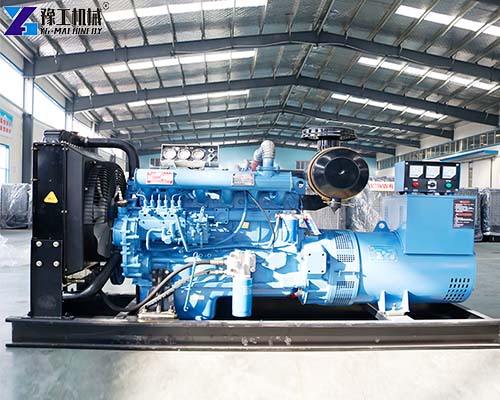
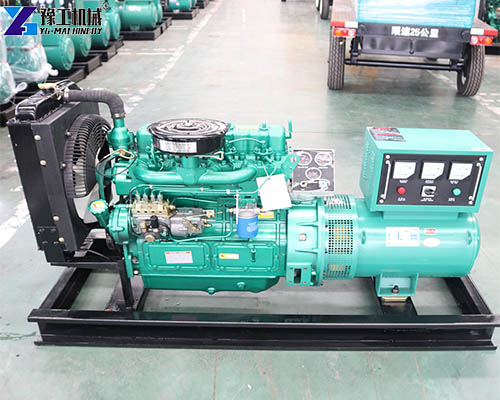
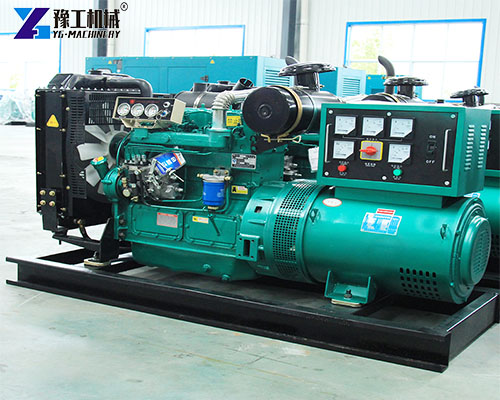
So what is an industrial diesel power generator? An industrial diesel power generator is a machine that makes electricity. It burns diesel fuel in an engine. The engine spins a generator head. The generator head uses magnets and copper wire to create an electric current. That current flows to your equipment. It is a self‑contained power plant on a steel skid. A diesel generator set consists of three main parts: the diesel engine, the generator, and the control system, plus other auxiliary devices.
You use it when the utility company’s regular power is unreliable. It also serves as a mobile power source for field operations or as a primary power source for remote areas.
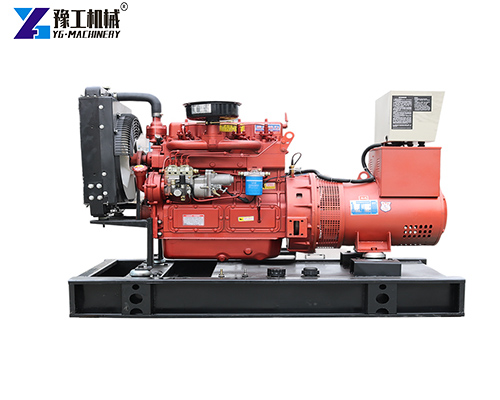
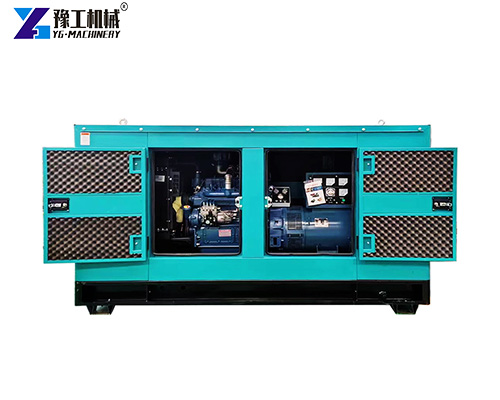
How Does A Diesel Industrial Genset Work?
Here it is broken down.
- Air enters through an air filter, where it becomes clean.
- Fuel is injected as a fine mist (high pressure) into the engine cylinder.
- The piston compresses the air-fuel mixture. Compression heats it to the diesel ignition point.
- The mixture explodes (burns rapidly), pushing the piston down. This is called “power stroke”.
- The piston moves a connecting rod, which turns the crankshaft.
- The crankshaft spins the generator rotor (the moving part of the generator).
- Electromagnetic induction creates an electrical current in the generator stator.
- The current flows through wires to your building or equipment.
Which Industrial Genset Model Do You Need?
| Power | 30kw | 100kw | 150kw | 200kw | 300kw | 400kw |
| cylinders | 4 cylinder | 6 cylinder | 6 cylinder | 6 cylinder | 6 cylinder | 6 cylinder |
| voltage | 400/230V | 400/230V | 400/230V | 400/230V | 400/230V | 400/230V |
| Frequency Range | 50HZ | 50HZ | 50HZ | 50HZ | 50HZ | 50HZ |
| Rotating speed | 1500rpm | 1500rpm | 1500rpm | 1500rpm | 1500rpm | 1500rpm |
| Cylinder diameter *stroke (mm) | 100*115 | 105*125 | 105*130 | 126*130 | 126*155 | 135*160 |
| Rated current | 54A | 180A | 270A | 360A | 540A | 720A |
| Phase | Three-phase four-wire | Three-phase four-wire | Three-phase four-wire | Three-phase four-wire | Three-phase four-wire | Three-phase four-wire |
How to choose the right power: Add up the wattage of all the equipment you want to run at the same time. Then add 20‑30% margin for startup surges (motors draw extra current when starting). For a small workshop with lights, a few machines, and a computer, 30‑50kw is often enough. For a mid‑sized factory, 150‑200kw. For a large plant or a remote mining camp, 300‑400kw.
Types Of Generators – Diesel, Gas, Biogas, And Which To Pick
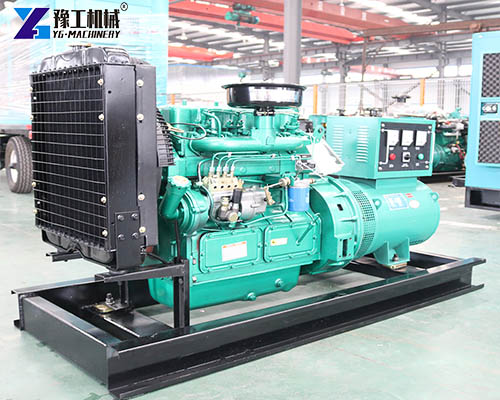
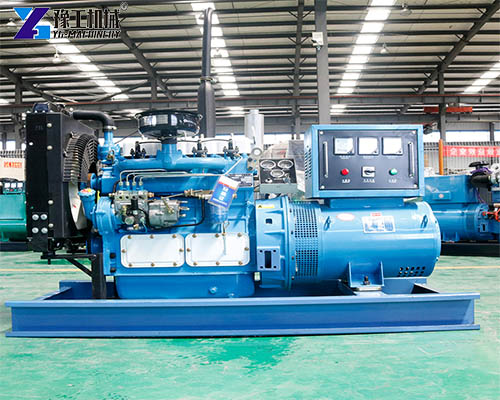
- Diesel generator set – The main model YG sells. Most reliable, most durable, best for industrial use.
- Gasoline generator set – Typically 2‑15kw. The document says – lower safety factor. Only for small, light-duty.
- Natural gas generator set – For areas with cheap natural gas.
- Biogas generator set – For farms with biogas digesters.
For most industrial customers, diesel is the right choice. It gives you long run times, easy fuel storage, and low maintenance.
Product Forms – Open Frame, Silent, Weatherproof, And Mobile
| Form | Description | Best for |
| Open frame | No enclosure. Engine and generator exposed. Cheapest. | Remote sites, farms, mines – no noise concerns. |
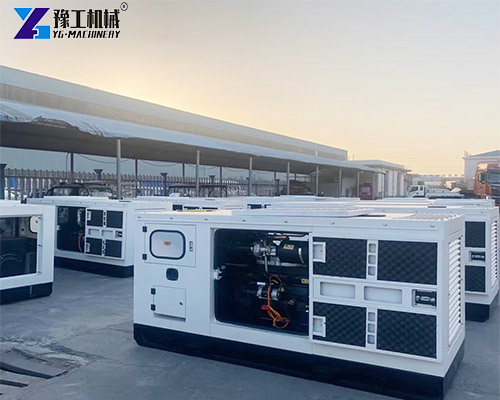
| Silent / soundproof | Metal box with sound insulation. Reduces noise. | Near houses, hospitals, schools – noise regulations. |
| Weatherproof / rain cover | Protects from rain but not sound. | Outdoor sites with occasional rain. |
| Mobile | Trailer mounted, easy to tow. | Silent/soundproof |
What Is ATS, And Do You Need It?
ATS stands for Automatic Transfer Switch. It monitors the utility power. When the grid fails, the ATS automatically starts the generator, waits for it to stabilize (a few seconds), then switches your building‘s load to the generator. When the grid returns, the ATS switches back and shuts the generator down.
Without ATS, someone must manually start the generator and flip the transfer switch. That might take 5‑10 minutes. For factories with refrigeration, hospitals with life support, or data centers, an ATS is essential.
Real Situations – When Customers Bought A YG Industrial Genset
Here are typical examples from YG‘s actual sales regions (Russia, the Middle East, and Africa).
Case 1 – A chicken farm in rural Russia. Winters are harsh. The local grid fails every few weeks because of snow. The farm lost thousands of birds when ventilation stopped. They bought a 100kW YG open frame genset with an ATS. Now, when the grid dies, the genset starts automatically. Heaters and fans keep running. The farm manager said, “We used to worry every time the wind blew. Now I sleep through storms.”
Case 2 – A construction company in Nigeria. They were building a road 50km from the nearest town. No grid power at all. They needed a primary power source for their site office, workshop, and night lighting. They bought a 150kW YG mobile generator (trailer‑mounted). They tow it to each new campsite. The electrician said: “It starts first time, every morning. We run it 12 hours a day. Fuel consumption is reasonable.”
Case 3 – A hospital in Saudi Arabia. They already had a large backup generator, but it failed during a heatwave. They needed a second unit for redundancy. They bought a 200kW YG silent genset with ATS. The facility manager commented, “The soundproof box keeps it quiet for patient rooms nearby. We test it every week. It never fails.”
Why Buy A YG Industrial Genset?
A power outage is not an inconvenience. It is a disaster for your business. An industrial diesel power generator from YG turns disaster into a minor blip. It starts fast, runs reliably, and keeps your lights on, your machines turning, and your customers happy. With power options from 30kW to 400kW, forms from open frame to silent to mobile, and engines from cost‑effective to premium brands, you can match exactly what you need. Delivery in as few as 7‑15 days for standard models.
YG also offers ATS for fully automatic backup, and silent enclosures for noise‑sensitive areas. The generators use 4‑ or 6‑cylinder diesel engines running at 1500 rpm, producing stable 400/230V three‑phase power. They are built for harsh environments – mines, farms, construction sites, and remote villages.
If you have questions about sizing, voltage, or shipping, contact YG Machinery directly. Tell us your total load in kilowatts, whether you need ATS or a silent box, and your country. They will give you a clear recommendation and a firm price. Do not wait until the next blackout – get your YG industrial genset now.
Frequently Asked Questions
No, the diesel genset is designed specifically for diesel fuel. YG also sells gas generator sets – ask separately.
Change engine oil and oil filter every 250‑500 hours. Change the fuel filter and air filter every 500 hours. Check coolant and belts regularly. The document says maintenance is simple.
With proper cooling and oil changes, a diesel industrial power generator can run 24/7 for weeks.