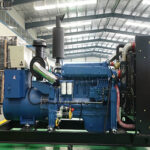
You switch it on. It hums. It powers your factory, your mine, your hospital. But it never complains. It never explains. So let us explain it.
Here are three truths about a diesel generator for industrial use that most operators learn the hard way. We manufacture these machines. We hear the same stories again and again. Read this. Then decide if your next generator needs a different approach.
Slower Is Stronger
You might think a faster engine is a better engine. Not true.
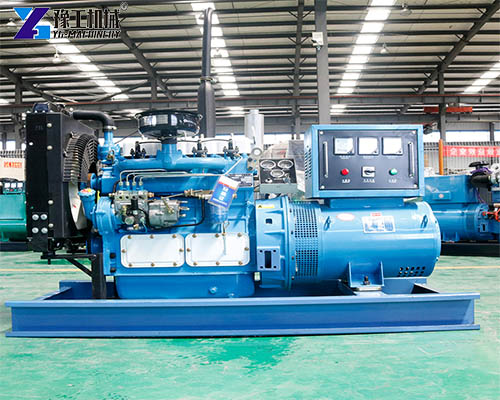
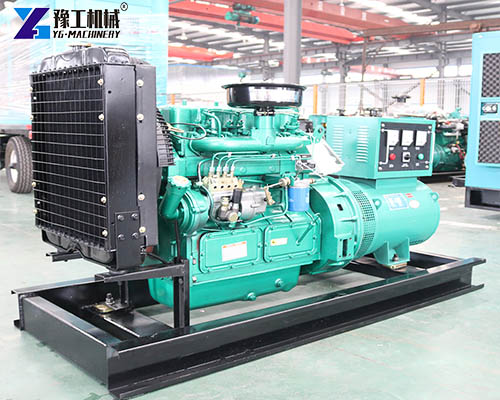
Our YG series runs at 1500rpm. Not 1800. Not 3000. Why? Lower piston speed means less wear. The oil film stays intact. The combustion chamber has time to properly mix air and fuel. A 1500rpm industrial generator set will often outlast a 3000rpm unit of the same power by thousands of hours.
We see customers replace 3000rpm generators every 5‑7 years. A well‑maintained 1500rpm diesel generator for industrial use often runs 15 years or more.
Speed is not power. Slower is stronger.
Your Generator Is Lying To You About Its Size
You bought a 200kw diesel generator for industrial use. You run it at half load most days. You think everything is fine. The generator disagrees. It is suffering in silence.
When a diesel generator for industrial use runs at less than 30‑40% of its rated load for extended periods, the engine does not get hot enough to burn off carbon deposits. Fuel dilutes the oil. Cylinders glaze. Piston rings stop sealing.
One day, you need full power. The generator cannot deliver it. But it never told you why.
The fix? Choose a smaller industrial diesel power generator for your everyday load, or schedule regular high‑load running. Our YG series from 30kw to 400kw — pick the one that matches your normal load plus a 20‑30% surge margin. Do not double your need.
Size honestly. Your generator will thank you.
Copper Is Not Copper
Every generator advertises copper windings. But not all copper windings survive ten years.
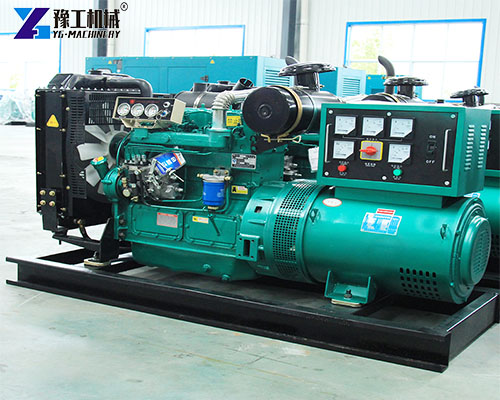
We build our own alternator heads. We control the winding tension. Loose windings vibrate. Vibration cuts through insulation. Insulation failure means a dead generator.
You cannot see this when you buy. You cannot hear it when the industrial generator set runs. But five years later, one machine still works and another does not. The difference is not on the spec sheet. It is in the assembly. We tell you this because a diesel generator for industrial use is a long bet. We want you to win that bet.
What You Should Actually Check Before Buying?
Forget the brochures. Look at these five things instead.
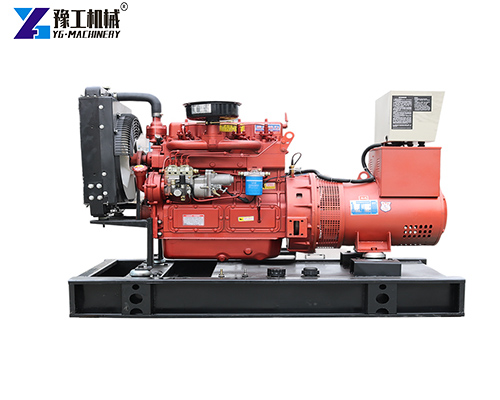
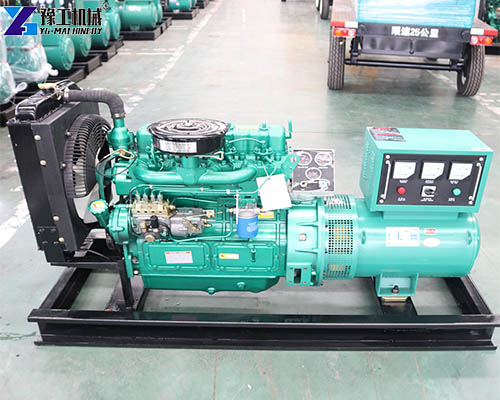
- Cylinder configuration. Our 30kw model uses 4 cylinders with 100×115mm bore/stroke. The 100‑400kw models use 6 cylinders with progressively larger bores (105‑135mm) and strokes (125‑160mm). More cubic inches means more torque at the same 1500rpm. That matters for motor starting.
- Rated current. 30kw delivers 54 amps. 100kw delivers 180 amps. 200kw delivers 360 amps. 400kw delivers 720 amps. Match this to your facility‘s peak demand, not your average.
- Voltage and frequency. 400/230V, 50Hz, three‑phase four‑wire. Standard for most industrial applications outside North America. Confirm your site matches before ordering.
- Cooling system. All YG models are radiator‑cooled. Ensure adequate airflow around the industrial diesel power generator installation location. Hot air recirculation kills generators quietly.
- Air filter. Air enters through a filter. Clean it regularly. A clogged filter on a diesel generator for industrial use increases fuel consumption by 5-10% and accelerates wear. The engine cannot tell you it is choking. You have to check.
There’s One More Thing, But I Won’t Go Into Details
We do not sell dreams. We sell machines that start when you need them and run until the grid returns.
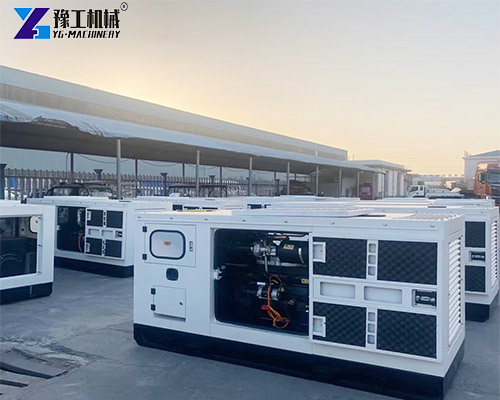
If you want an industrial diesel power generator with honest specifications, copper windings we wound ourselves, and a 1500rpm engine that refuses to die young, look at our YG series industrial generator set.
If you want marketing hype, look elsewhere.