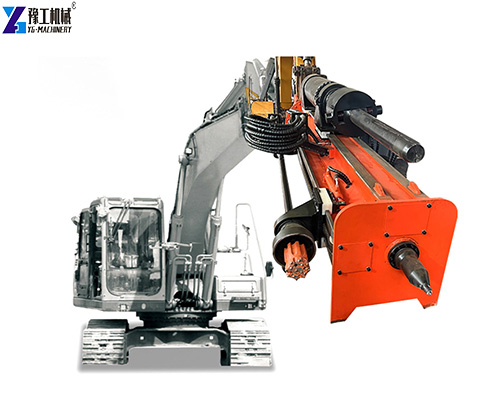
You have a giant boulder blocking your trench.
Blasting? Too dangerous. Too many permits. Too close to a road.
A hydraulic breaker? It chips away for hours, shakes the ground, and wakes up the whole neighbourhood.
There’s a tool that cracks rock from the inside – silently, precisely, and in under 15 seconds.
It’s called a hydraulic splitter for rock. And it’s why quarries and demolition crews are switching from hammers to wedges.
What Is A Hydraulic Stone Splitter Anyway?
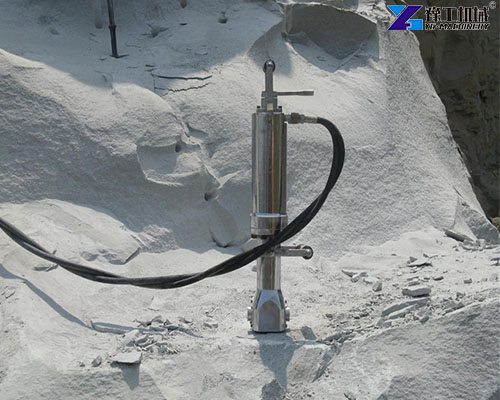
Think of it like a giant mechanical wedge that you push into a drilled hole.
The wedge splits the rock from within – using hydraulic pressure to push against the hole walls.
When the pressure exceeds the rock’s tensile strength, the rock cracks open. Cleanly. No flying debris. No shock waves.
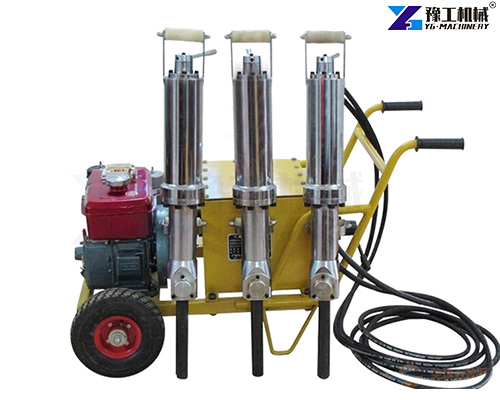
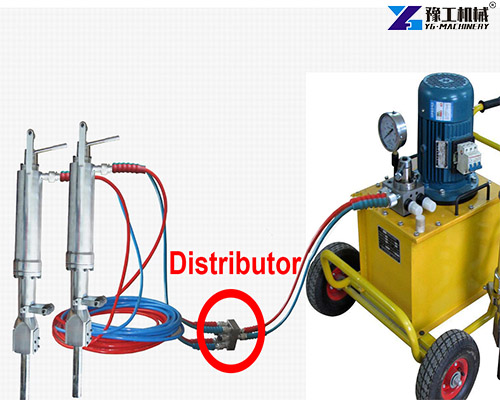
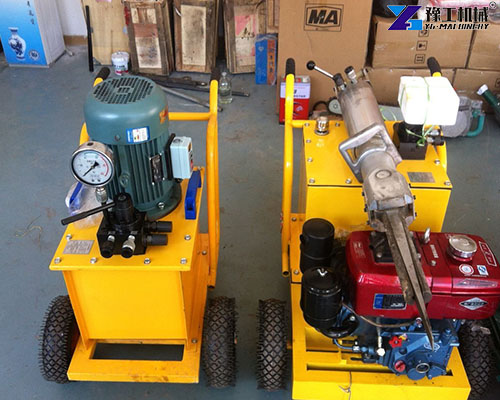
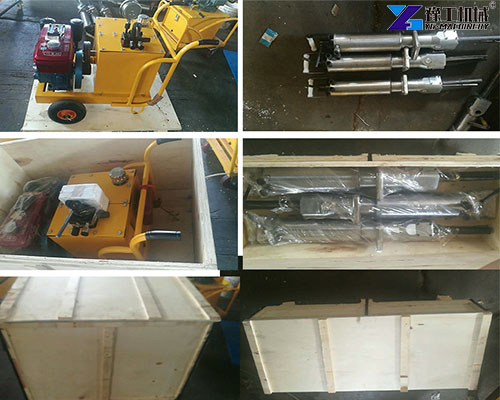
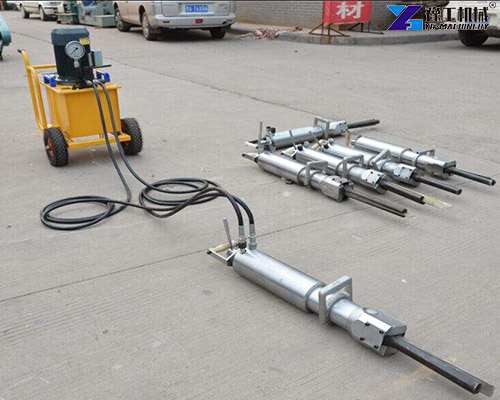
A hydraulic stone splitter consists of two parts: a power pack (pump) and a splitting cylinder (the “gun” that goes into the hole).
You drill a hole, insert the gun, press a button, and the rock splits like a ripe watermelon.
Who Actually Buys A Hydraulic Splitter For Rock?
From our real customer list:
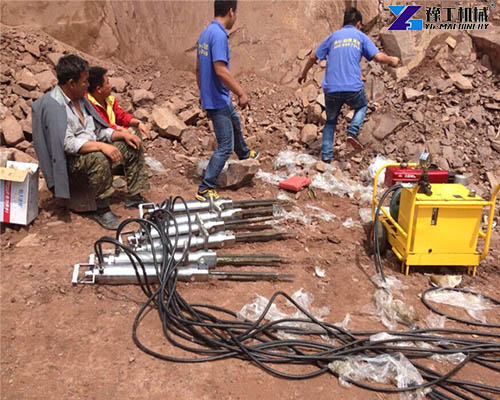
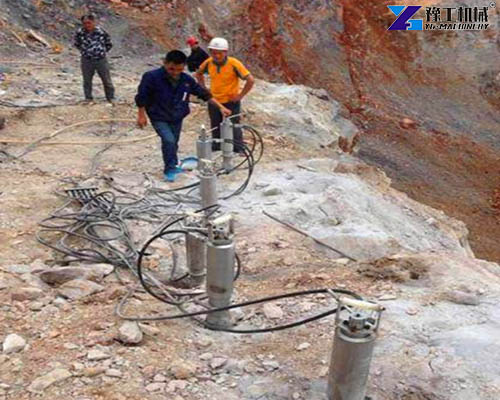
Quarries – extracting dimension stone (granite, marble, limestone) without blasting. No micro‑cracks, so the blocks are worth more.
Construction contractors – breaking concrete foundations, bridge piers, or boulders in tight city sites where blasting is banned.
Tunnel builders – splitting rock faces inside tunnels, where vibration would cause collapses.
Archaeological sites – delicate rock removal where any shock would damage artifacts.
Diamond mines – breaking kimberlite ore without damaging the diamonds inside.
One quarry owner in Italy told us, “I used to blast granite blocks. Half of them would crack in the wrong place. Now I use the hydraulic stone splitter – clean splits, less waste, and no angry neighbours calling the police.”
How Does It Work?
Three simple steps.
Step 1: Drill a hole
Use a rock drill to make a hole. The diameter must match your splitter’s wedge – 42 mm or 46 mm (see the table). The depth must be at least 500 mm.
Step 2: Insert the splitter
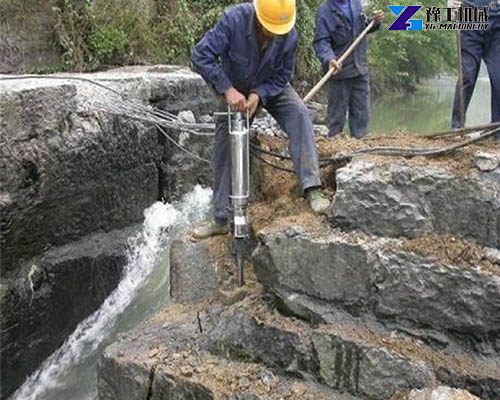
Slide the splitting cylinder into the hole. The wedge (the pointed part) goes in first, with the two counter‑wedges on the sides.
Step 3: Push the button
Hydraulic oil flows into the cylinder. The piston pushes the wedge forward. The wedge forces the counter‑wedges outward against the hole walls.
The rock feels pressure – more and more – until it can’t take it anymore. CRACK. The rock splits in seconds.
One operator in Canada said, “I timed it. From drilling to splitting, each boulder took less than two minutes. With a breaker, it took fifteen.”
The Numbers You Actually Care About
Here are our three standard models. Choose based on your hole depth and rock hardness.
| Model | YG-250 | YG-350 | YG-450 |
| Wedge Length(mm) | 250mm | 350mm | 450mm |
| Piston Stroke(mm) | 90/220mm | 90/220mm | 90/220mm |
| Drilling Depth(mm) | >500mm | >700mm | >900mm |
| Punching Diameter(mm) | 42mm | 46mm | 46mm |
| Crack Width(mm) | 10-20mm | 10-20mm | 10-20mm |
| Cleavage Time(s) | 10-15/s | 10-15/s | 10-15/s |
| Splitting Force(T) | 500t | 800t | 800t |
| Weight(kg) | 240kg | 250kg | 260kg |
How To Choose The Right Hydraulic Stone Splitter?
- Rock hardness – for soft rock (limestone, sandstone), YG-250 is enough. For hard rock (granite, basalt), go with YG-350 or YG-450.
- Hole depth – if you’re only drilling 600mm deep, YG-250 works. If you drill 1,000mm holes, you need YG-450.
- Hole diameter – if you already have a drill with a 42mm bit, choose YG-250. If you have 46mm bits, choose YG-350 or YG-450.
- Power source – electric or diesel? Electric is cheaper and quieter. Diesel is portable and works where there’s no grid.
- Number of guns – one pump can run up to 6 guns. But only one gun works at a time (unless you buy a multi‑way distributor). Most customers buy one pump + two guns.
Electric Vs Diesel – Which One Should You Choose?
Electric hydraulic pump
- Pros: quiet, zero emissions, lower operating cost, easier to maintain
- Cons: needs a power outlet (or generator), limited to sites with electricity
- Best for: indoor work, city sites, workshops
Diesel hydraulic pump
- Pros: truly portable – works anywhere, no extension cords
- Cons: louder, produces fumes, diesel is a dangerous good for air freight
- Best for: remote quarries, mountain sites, emergency work
Try A Hydraulic Stone Splitter For 30 Days – No Risk
You’re thinking: “What if my rock is too hard for the splitter? What if I drill the wrong hole size?”
We’ll ship you the splitter (pump, gun, hoses, and a spare wedge set). You use it on your toughest rock for 30 days.
If it doesn’t split cleanly, or if the cycle time is too slow, or if you simply don’t like it, return it. Full refund. We pay return shipping.
This offer is for the first 8 units worldwide. First-come, first-served.
Contact Us
A hydraulic splitter for rock is quiet, safe, and precise – and it splits in under 15 seconds.
If you work in quarries, construction, or tunnelling, this tool will pay for itself in a few weeks of saved time and reduced fines.
Stop hammering. Start splitting.
👉 Email admin@chinayugongmachinery.com now. Tell me:
- What rock did you split (granite, limestone, concrete, etc)
- Your typical hole depth
- Electric or diesel power?
- How many guns do you need (1, 2, or more)?
I’ll reply within 24 hours with:
- The exact model for your rock
- A video of that splitter in action
- A delivered price to your port