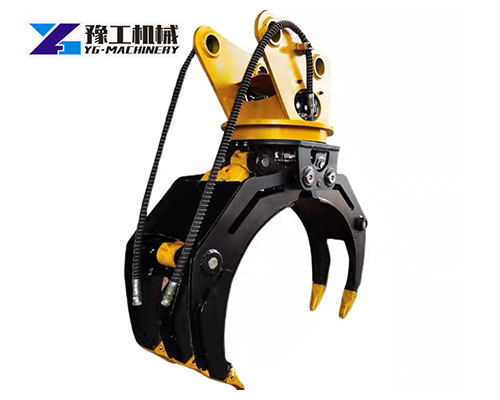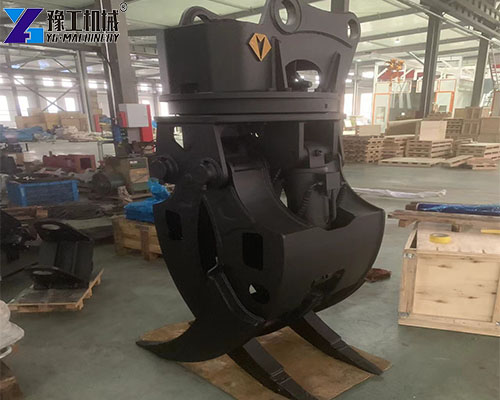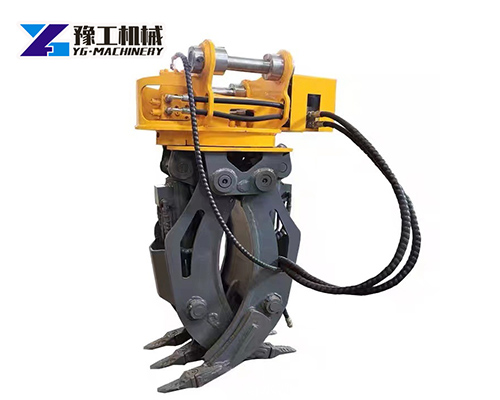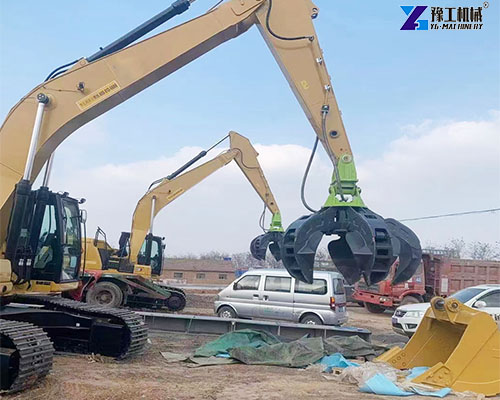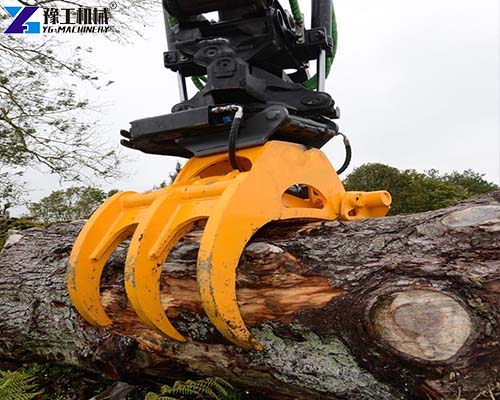
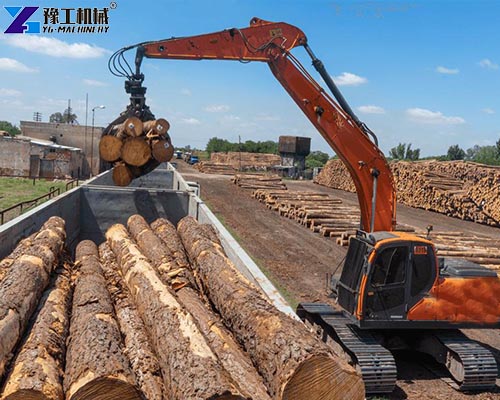
When logs, timber, and other long materials need to be picked up, moved, loaded, or sorted, an excavator log grapple for sale can provide a practical attachment for excavators.
The main purpose of a log grapple is to hold materials securely with its hydraulic jaws while the excavator provides lifting and positioning power.
However, choosing a suitable grapple is not simply about selecting the largest model. The grapple must match the excavator’s operating weight, hydraulic system, required jaw opening, and the size of the material being handled.
So, how do you choose the right model?
Start by comparing the jaw opening, attachment weight, oil pressure, operating flow, cylinder size, and recommended excavator tonnage.
Excavator Log Grapple for Sale Technical Parameters
The available models range from 02 to 20, covering excavators from approximately 4–6 tons up to 41–50 tons. The maximum jaw opening ranges from 1,200 mm to 2,800 mm, while grapple weight ranges from 360 kg to 2,800 kg.
| Model | Weight | Max. Jaw Opening | Oil Pressure | Set-Up Pressure | Operating Flow | Cylinder Volume | Suitable Excavator |
| 02 | 360 kg | 1200 mm | 160 kg/cm² | 170 kg/cm² | 30–55 L/min | 4.0 × 2 | 4–6 t |
| 04 | 440 kg | 1400 mm | 160 kg/cm² | 180 kg/cm² | 50–100 L/min | 4.5 × 2 | 7–11 t |
| 06 | 900 kg | 1600 mm | 180 kg/cm² | 190 kg/cm² | 90–110 L/min | 8.0 × 2 | 12–16 t |
| 08 | 1680 kg | 2100 mm | 180 kg/cm² | 200 kg/cm² | 100–140 L/min | 9.7 × 2 | 17–23 t |
| 10 | 2130 kg | 2500 mm | 180 kg/cm² | 210 kg/cm² | 130–170 L/min | 12 × 2 | 24–30 t |
| 14 | 2600 kg | 2800 mm | 180 kg/cm² | 250 kg/cm² | 80–120 L/min | 12 × 2 | 31–40 t |
| 20 | 2800 kg | 2800 mm | 200 kg/cm² | 250 kg/cm² | 80–120 L/min | 14 × 2 | 41–50 t |
These specifications show why the excavator size should be checked before selecting a grapple. A heavier grapple with a larger jaw opening also requires a correspondingly larger excavator.
Receive Detailed Parameter List
cccccc Grab for Mini Digger: What Size Do You Need?
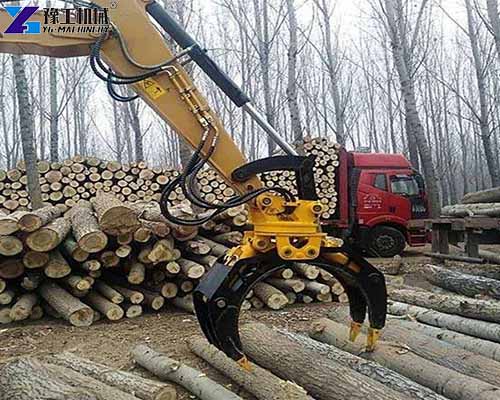
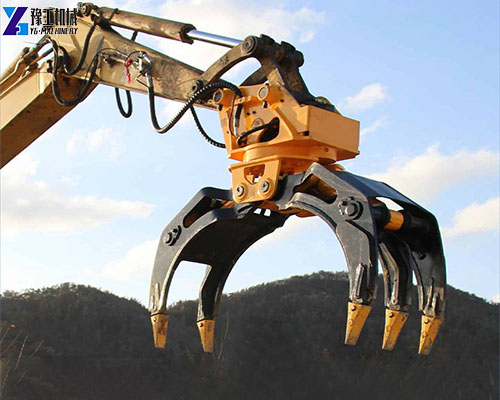
A log grab for mini digger applications should be selected according to the excavator’s operating tonnage rather than the material alone.
For smaller excavators, the Model 02 is designed for 4–6-ton machines and weighs 360 kg, with a maximum jaw opening of 1,200 mm.
The Model 04 is designed for 7–11 ton excavators and increases the maximum jaw opening to 1,400 mm.
This makes the first step simple: identify the excavator’s tonnage and then check which grapple model corresponds to that operating range.
| Excavator Size | Suitable Model | Max. Jaw Opening |
| 4–6 t | 02 | 1200 mm |
| 7–11 t | 04 | 1400 mm |
| 12–16 t | 06 | 1600 mm |
| 17–23 t | 08 | 2100 mm |
| 24–30 t | 10 | 2500 mm |
| 31–40 t | 14 | 2800 mm |
| 41–50 t | 20 | 2800 mm |
If the grapple is intended for a mini or compact excavator, pay particular attention to attachment weight and hydraulic flow because the attachment becomes part of the excavator’s overall working load.
Get Your Project‑Specific Quote
Excavator Log Grab: How Does Jaw Opening Affect Selection?
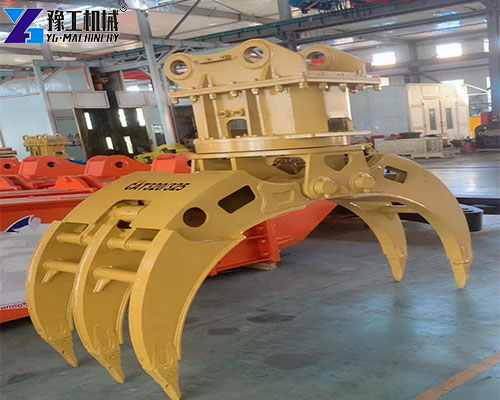
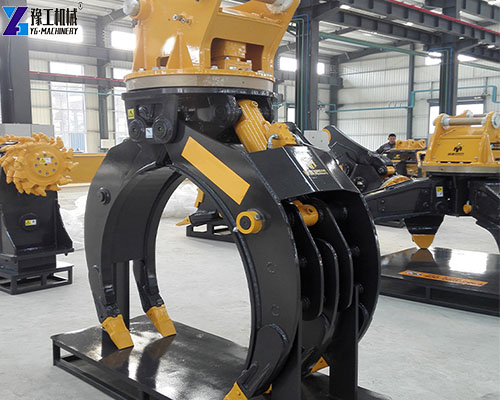
The jaw opening determines how large an object the excavator log grab can accommodate.
The available models provide maximum jaw openings from 1,200 mm to 2,800 mm. Smaller models are paired with smaller excavators, while larger models provide wider openings for handling larger materials.
Before choosing a grapple, estimate the typical diameter and size of the logs or timber that will be handled.
A grapple that is too small may make loading and positioning inefficient. On the other hand, selecting a much larger grapple than necessary can add unnecessary attachment weight.
The goal is to match the jaw opening with the actual material-handling requirement.
Find The Right Solution For Your Job
Timber Grab for Digger: What Hydraulic Requirements Should You Check?
A timber grab for digger applications depends on the excavator’s hydraulic system to operate the grapple.
For example, Model 02 requires an operating flow of 30–55 L/min, while Model 10 lists 130–170 L/min. Larger models therefore cannot simply be installed on any excavator because hydraulic flow requirements must be compatible.
Before purchasing, compare:
- Excavator hydraulic flow
- Required operating flow
- Excavator hydraulic pressure
- Grapple oil pressure
- Attachment weight
- Available hydraulic connections
Hydraulic compatibility should be confirmed before finalizing the attachment model.
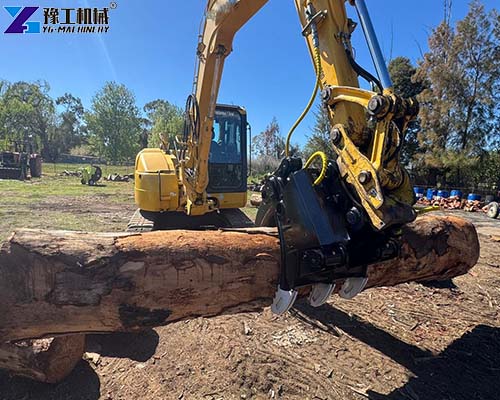
Excavator Log Grapple for Sale: What Materials Can It Handle?
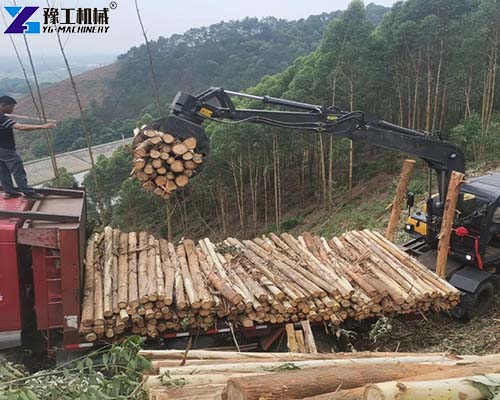
An excavator log grapple for sale is primarily selected when the excavator needs a gripping attachment for handling long or bulky materials.
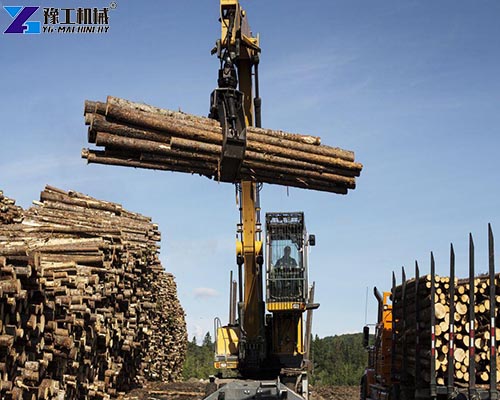
For timber-handling work, the jaws can be positioned around the material and closed hydraulically. The excavator can then lift, move, load, or position the material.
Typical tasks can include:
1. Log Handling
The grapple can be used to pick up and move logs in timber-handling environments.
2. Timber Loading
A suitable jaw opening can help operators grip multiple pieces or larger timber according to the application.
3. Material Sorting
The hydraulic jaws allow materials to be picked up individually and repositioned.
4. Site Handling
On construction or material-handling sites, a grapple can provide an alternative to repeatedly using a conventional bucket for long materials.
The exact application should determine the required jaw opening, grapple weight, and hydraulic configuration.
Find The Right Solution For Your Job
Excavator Log Grab vs Bucket: What Should You Compare?
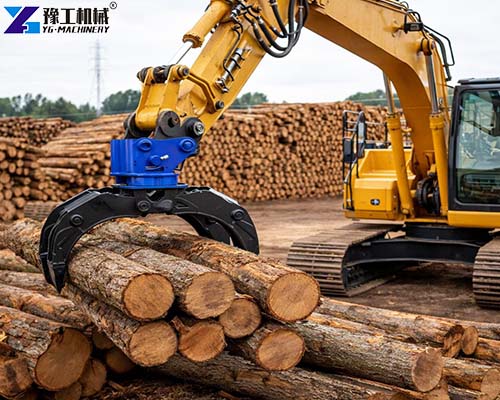
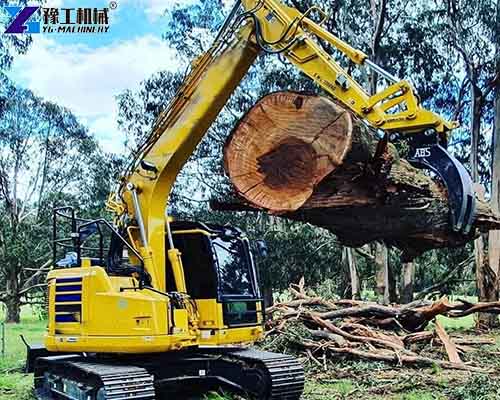
An excavator log grab is designed around gripping materials, while a conventional bucket is primarily intended for digging, scooping, and carrying loose materials.
For logs and timber, gripping can be more practical because the attachment can close around long objects instead of relying on the bucket shape to contain them.
When comparing attachments, consider the material shape first.
| Factor | Log Grapple | Conventional Bucket |
| Long logs | Suitable for gripping | Less specialized |
| Timber handling | Designed for gripping | General-purpose |
| Material sorting | Practical for individual pieces | Less precise |
| Digging | Not the primary function | Primary function |
| Hydraulic requirement | Important | Depends on bucket type |
The appropriate attachment depends on the work rather than simply replacing one attachment with another.
Get Your Project‑Specific Quote
Excavator Log Grapple for Sale: What Should You Check Before Buying?
Before purchasing an excavator log grapple for sale, check these points:
1. What Is Your Excavator Tonnage?
Match the excavator with the recommended model range. The supplied series covers 4–6 ton through 41–50 ton excavators.
2. How Large Are the Logs?
Compare the material size with the maximum jaw opening, which ranges from 1,200 mm to 2,800 mm.
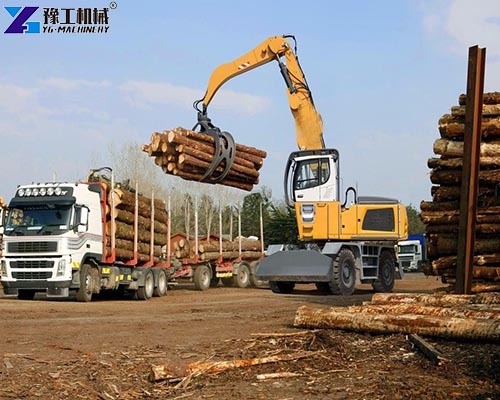
3. Can the Hydraulic System Supply Enough Flow?
Check the excavator’s hydraulic flow against the grapple’s specified operating flow.
4. Is the Attachment Weight Appropriate?
The models range from 360 kg to 2,800 kg. Attachment weight should be considered together with excavator capacity.
5. Do the Pressure Requirements Match?
Compare the excavator’s hydraulic pressure with the grapple’s oil pressure and set-up pressure requirements.
Find The Right Solution For Your Job
Excavator Log Grapple for Sale Final Buying Guide
Choosing an excavator log grapple for sale is mainly about matching three things: the excavator, the material, and the hydraulic system.
For smaller machines, Model 02 covers 4–6 ton excavators with a 1,200 mm maximum jaw opening. Larger models extend the range up to Model 20 for 41–50 ton excavators, with a maximum jaw opening of 2,800 mm.
The next step is to compare hydraulic flow, pressure, attachment weight, and the actual size of the logs or timber you plan to handle.
Rather than selecting a grapple based only on jaw size, use the complete specification to determine whether the attachment and excavator can work together efficiently.
If you are comparing models, prepare your excavator tonnage, hydraulic flow, typical log size, and intended application. These details can be used to identify the appropriate grapple specification.