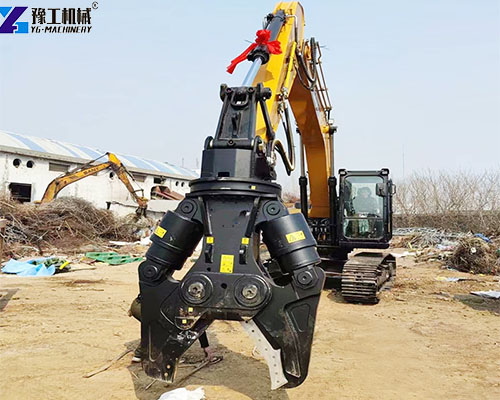
In the USA, a recycling company was drowning in scrap tyres. The facility received thousands of end‑of‑life tyres every week, but its old batch‑processing equipment could only handle about 8 tons per day. Piles of tyres grew higher, fire risks increased, and the local environmental agency was pressuring them to clean up the site.
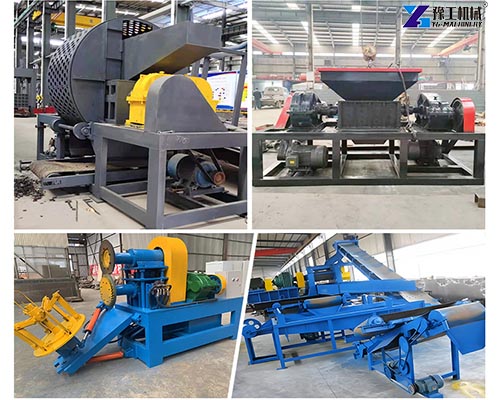
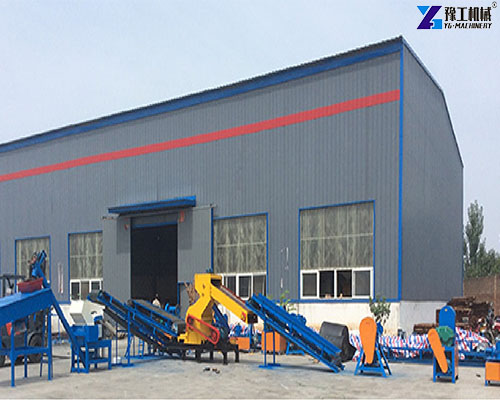
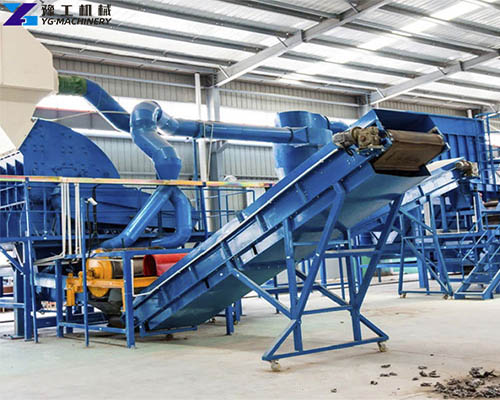
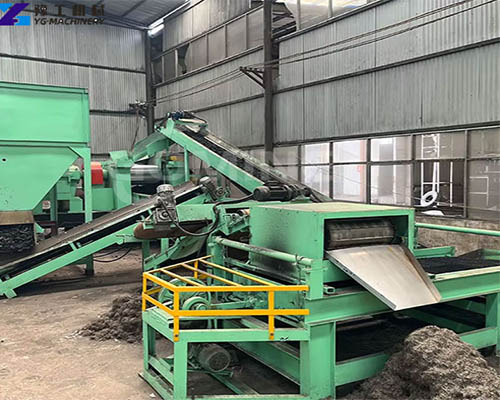
The owner knew he needed a modern solution. After visiting a trade show and researching online, he contacted YG Machinery about a fully automatic tyre recycling line. Specifically, he chose the YG‑30 model, which is designed for continuous operation with a capacity of 30‑35 tons per day. This waste tyre recycling line includes tyre wire drawing, shredding, magnetic separation, fibre separation, and rubber powder grinding – all in one integrated system.
The result transformed his business. The American facility now processes over 900 tons of scrap tyres per month. The rubber powder is sold to athletic track manufacturers. The recovered steel wire goes to scrap metal dealers. The nylon fibre is baled for industrial fuel. The owner recouped his equipment investment in less than 18 months.
For a free quote on a fully automatic tyre recycling line for your facility, contact us today.
Contact: 【WhatsApp/WeChat/Phone】+86 159 3715 3321
Technical Parameters Of The Fully Automatic Tire Recycling Line
Below are the specifications for the YG series tyre recycling lines. The YG‑30 is the US customer‘s choice.
| Model | YG-3 | YG-6 | YG-10 | YG-16 | YGL-16 | YG-30 |
| Capacity | 1-3t/d | 4-6t/d | 8-10t/d | 12-16t/d | 8t/d (only for rubber powder) | 30-35t/d |
| Working Process | Batch | Batch | Batch | Batch | Semi-continuous | Fully continuous |
| Reactor Size | φ1400*4900mm | φ2200*6000mm | φ2600*6600mm | φ2800*7100mm | φ2800*7100mm | φ1800*18500mm |
| Land (L*W*H) | 18m*4.2m*6m | 30m*12m*8m | 30m*13m*8m | 33m*13m*8m | 33m*13m*8m | 70m*20m*10m |
| Power | 16.65kw | 37.85kw | 44.3kw | 55.6kw | 55.6kw | 256kw |
| Burner | 2*200,000 kcal | 2*300,000 kcal | 2*300,000 kcal | 2*400,000 kcal | 2*400,000 kcal | 2.5 million kcal per set |
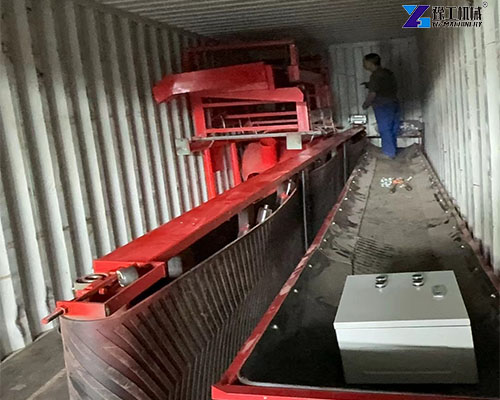
| Total Weight of Shipped Materials | About 18t | About 24.5t | About 28t | About 34.5t | About 34.5t | About 150t |
| Noise (dB) | ≤60 | ≤60 | ≤60 | ≤60 | ≤60 | ≤60 |
What these numbers mean for the US operator:
- Fully continuous process (YG‑30) means the line runs 24 hours with minimal stops. No batch waiting.
- 30‑35 tons per day is enough to serve a mid‑sized city‘s scrap tyre volume.
- 256 kW total power is significant, but the output per kilowatt is highly efficient.
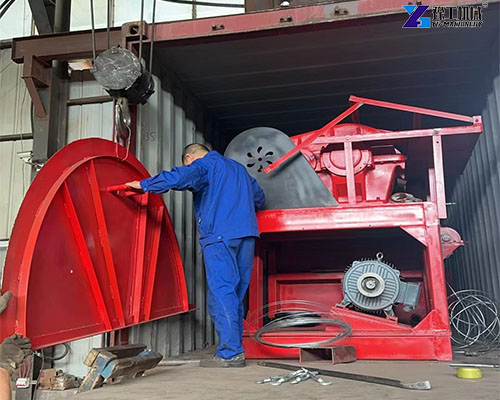
- 150 tons of shipped materials require a large installation team – YG provides on‑site supervision.
For assistance in selecting the right waste tyre recycling line for your daily input volume, please feel free to contact us.
Three Problems That Made Tire Recycling Hard In The US
The USA recycler‘s old system suffered from three common industry challenges.
Problem 1: Batch Processing Is Slow and Labour-Intensive
Old batch lines require stopping the machine to clear magnets, change screens, or adjust settings. Each stop costs productive time. Workers stand around waiting. The old 8 t/d line needed three shifts just to keep up with incoming tyres.
Problem 2: Incomplete Separation Lowers Product Value
If steel wire remains in the rubber powder, the material cannot be sold to high‑value markets like sports tracks or rubber mats. If nylon fibre contaminates the powder, it burns poorly and clogs equipment. The Ohio plant’s old equipment left up to 5% steel in the powder – unacceptable for most buyers.
Problem 3: High Maintenance and Short Tool Life
Tire shredding blades wear quickly on cheap machines. The old line needed resharpening every 200 hours. Replacement parts were expensive and took weeks to arrive.
The YG‑30 fully automatic tire recycling line solved all three.
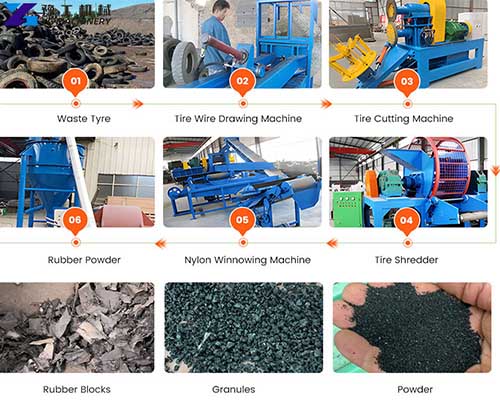
How The Fully Automatic Waste Tyre Recycling Line Works?
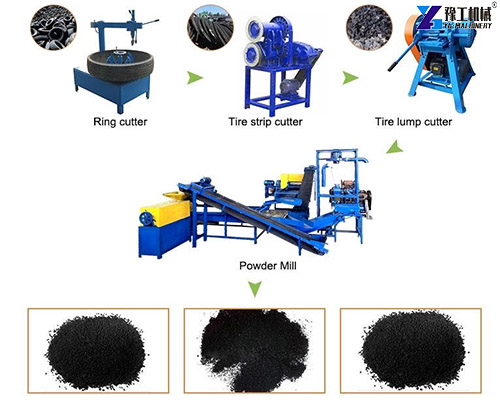
The YG‑30 waste tyre recycling line follows a continuous, multi‑stage process designed for maximum purity and throughput.
Stage 1: Tire Preparation
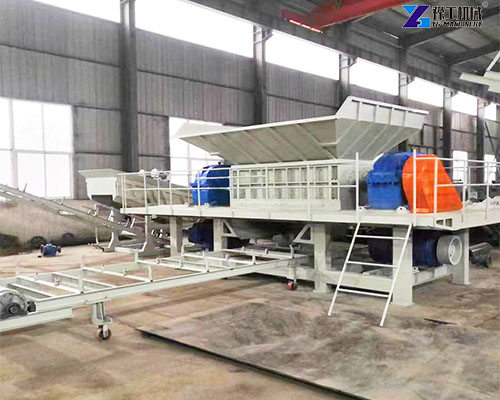
Scrap tires first go through a wire drawing machine (tire bead removal). Then a heavy‑duty shredder with replaceable screens reduces the tires to 50‑80 mm rubber blocks. The shredder’s knives are made of high‑wear alloy steel, lasting over 800 hours between resharpenings.
Stage 2: Steel and Fiber Separation
The rubber blocks travel on a main conveyor to a three‑roller magnetic separator. This removes 99.5% of the steel wire, which drops into a collection bin. Next, an air separator (nylon fiber classifier) blows away the light textile fibers. The Ohio plant collects the fiber and sells it as industrial fuel for cement kilns.
Stage 3: Grinding and Screening
A rubber powder grinding mill reduces the clean rubber to 5‑30 mesh powder. The powder passes through a vibrating screen. Oversized material returns to the grinder. The final product is bagged automatically.
Stage 4: Cooling and Storage
The grinding process generates heat. A cooling system lowers the powder temperature before bagging to prevent caking.
The entire line is controlled from a central electrical panel. One operator per shift monitors the system. The Ohio plant runs the line for 16 hours daily with two operators.
For assistance in selecting the right waste tire recycling line for your daily input volume, please feel free to contact us.
Real Results From The USA Tire Recycling Plant
After installing the YG‑30 fully automatic tire recycling line, the US customer shared these metrics.
- Throughput: 32 tons per day average (within the 30‑35 t/d range).
- Steel purity: 99.5% of wire removed. The steel scrap is clean and commands the top local price.
- Fiber removal: 98% of nylon fiber extracted. The remaining 2% does not affect rubber powder quality for most applications.
- Rubber powder quality: 98% passes 20 mesh screen. Customers use it for athletic tracks, rubber mats, and playground tiles.
- Labor reduction: From 12 workers (three shifts) to 4 workers (two shifts).
- Return on investment: 16 months, based on rubber powder sales and avoided landfill fees.
The plant manager said, “Our old batch line was a constant headache – stopping, cleaning, restarting. The YG continuous fully automatic tire recycling line runs like a train. We feed tires in one end and bag powder at the other. The magnetic separator is so effective that we rarely see steel in the final product.”
What Can You Do With Recovered Rubber And Steel?
The USA plant sells its products into multiple markets.
- Rubber powder (10‑30 mesh): Sold to manufacturers of athletic tracks, playground tiles, rubber mats, and horse arena footing.
- Rubber chips (5‑10 mm): Used as artificial turf infill or as fuel for cement kilns.
- Recovered steel wire: Sold to scrap metal dealers at standard ferrous scrap prices.
- Nylon fiber: Sold as industrial fuel (cement kilns, power plants) or mixed with rubber for low‑end mats.
The flexible design of the fully automatic tire recycling line allows the operator to adjust screen sizes and grinding parameters to produce different mesh sizes for different customers. The USA plant runs two product lines: 10‑mesh powder for mat manufacturers and 20‑mesh powder for track builders.
Tell us your target end products. We will recommend the optimal configuration.
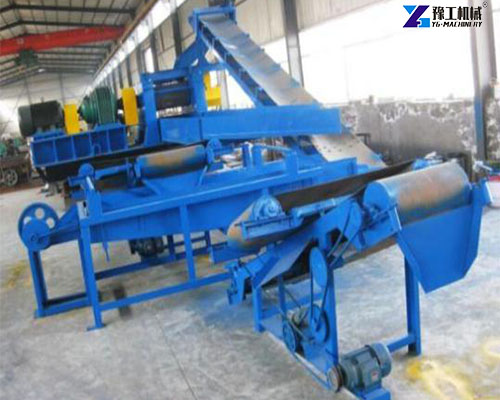
Is The YG‑30 Right For Your US Facility?
The YG‑30 fully automatic tire recycling line is designed for mid‑ to large‑volume recyclers. It requires:
- A concrete pad of approximately 70×20×10 meters (L×W×H) for the full line.
- 380V, 3‑phase, 50/60 Hz electrical supply (step‑down transformer available for US 480V).
- 256 kW total connected power. This is comparable to running 3‑4 large industrial machines.
- A front‑end loader to feed tires into the wire drawing machine.
- A forklift to move finished bags and steel bales.
If your volume is lower (8‑16 t/d), consider the YG‑10 or YG‑16 batch lines. If you need only rubber powder (no steel/fiber recovery), the YGL‑16 is a semi‑continuous alternative.
YG Machinery has installed waste tyre recycling lines in the United States, Canada, Europe, and the Middle East. We provide engineering drawings, on‑site installation supervision, and operator training.
Ready To Turn Scrap Tires Into Profit?
The USA plant proved that a fully automatic tire recycling line pays for itself quickly. Higher throughput, cleaner separation, lower labor costs, and consistent product quality. The YG‑30 is a field‑proven machine that turns environmental liability into revenue.
Stop wasting money on slow batch lines and low‑value scrap. Start producing high‑purity rubber powder that commands premium prices.
【WhatsApp/WeChat/Phone】+86 159 3715 3321
Tell us your location in the US and your expected monthly tire volume. We will send you a complete proposal, including shipping to your nearest port.