Picture a mountain of used tyres behind a truck garage. They take up space. They breed mosquitoes. And if you try to burn them, the smoke is black, and the neighbours call the fire department.
But those same tyres – if you run them through a waste tyre recycling line – become valuable stuff: clean rubber powder, steel wire that sells to scrap yards, nylon fibre for industrial felt, even fuel oil.
What Exactly Is A Tyre Recycling Line?
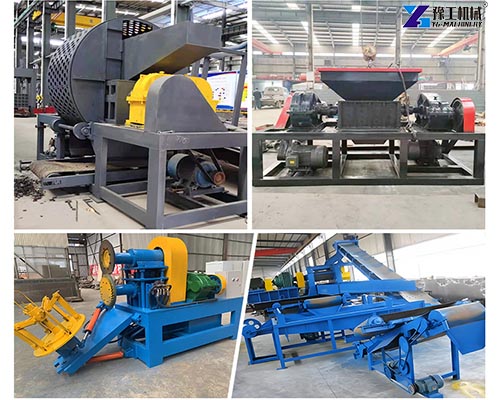
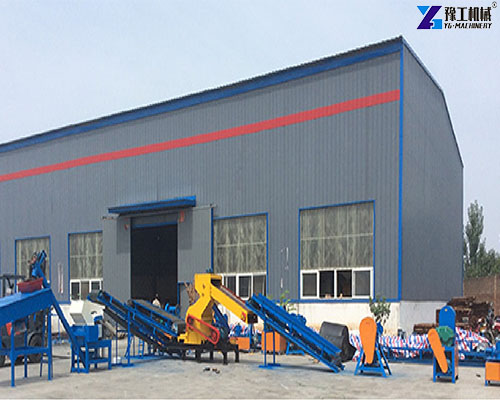
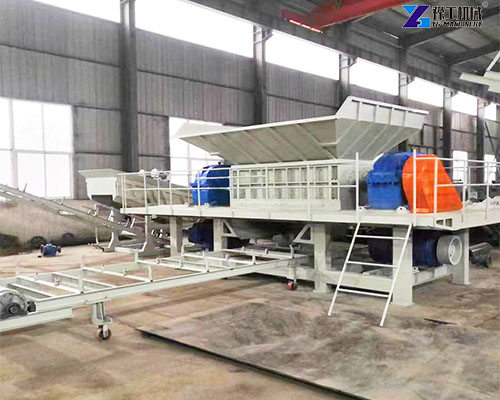
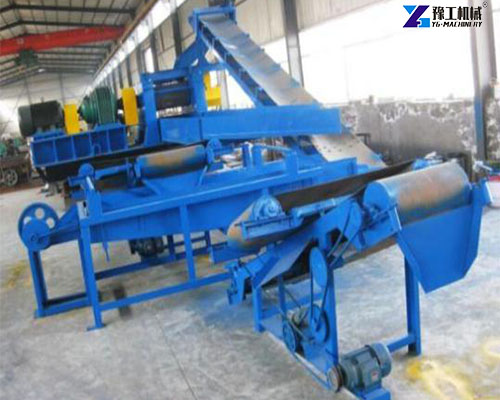
A waste tyre recycling line is a series of machines that take a whole truck or car tyre and chop it, grind it, separate the steel and fibre, and turn the rubber into tiny crumbs or fine powder.
Some lines stop at rubber powder. Others go further and heat the powder in a special reactor to make oil and carbon black.
Think of it like a meat grinder for tyres, but with magnets and air blowers to sort the different parts.
Why bother? Because a single truck tyre contains about 3–4 kg of steel wire, 2–3 kg of nylon fibre, and the rest is high‑quality rubber. That rubber can become running tracks, playground mats, new tyres, or diesel‑like fuel oil.
One recycler in Malaysia told me, “I used to pay to get rid of old tyres. Now I buy them from garages. My waste tyre recycling line pays for itself in less than a year.”
Where Do Old Tyres Go If You Don’t Recycle Them?
Most old tyres end up in landfills, illegal dumps, or are burned in the open. That’s bad for three reasons:
- They never rot – a tyre takes 500+ years to decompose.
- They catch fire – tyre fires burn for months and release toxic black smoke.
- They breed disease – mosquitoes love standing water inside old tyres.
So governments are cracking down. In many countries, you cannot bury tyres anymore. You must recycle them. That’s where a waste tyre recycling line becomes not just a business, but a necessary service.
In California, tyre disposal fees are $2–5 per tyre. If you run a recycling line, you collect that fee, plus you sell the output. Double income.
Two Main Types Of Tyre Recycling Production Line – Semi‑Auto Vs Fully Auto
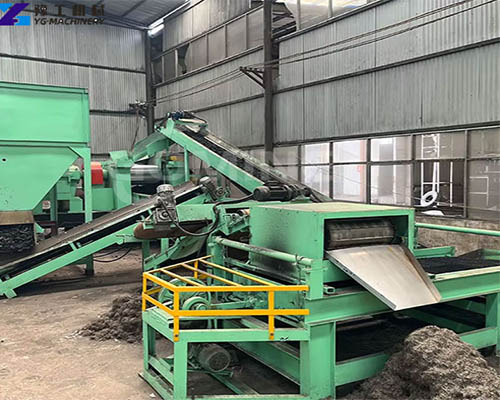
A. Semi‑automatic tyre recycling line (lower cost, more labour):
- Steps: Tyre cutter (remove bead wire) → Strip cutter → Block cutter → Steel separator → Rubber grinder → Fibre blower.
- You need workers to move material between machines.
- Good for starting small – 1 to 3 tons per day.
- Investment: lower. Labour: higher.
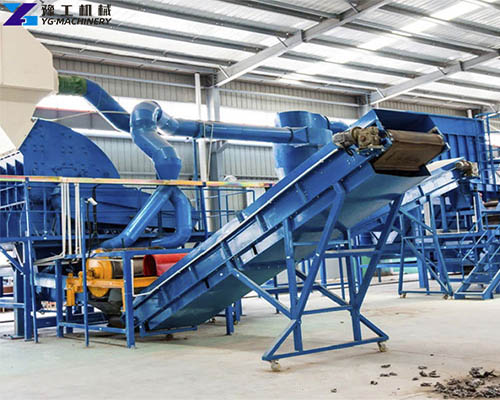
B. Fully automatic tyre recycling line (higher cost, less labour):
- Steps: Wire drawing machine → Shredder → Conveyor belt → Automatic storage → Grinder → Fibre separator → Powder collection.
- One operator can run the whole line from a control panel.
- Handles 6–35 tons per day.
- Investment: higher. Labour: much lower.
Which should you pick?
If you have cheap labour and limited capital, start with semi‑auto. If you plan to process more than 5 tons per day, go fully automatic – the labour savings will pay for the upgrade quickly.
A buyer in South Africa started with a small semi‑auto line. Within six months, he was overwhelmed by demand. He upgraded to fully auto and doubled his profit because he cut labour from 8 workers to 2.
What Can You Do With The Output?
Here are real ways people make money from recycled tyre products:
- Rubber powder (1–3 mm):
- Artificial turf infill for soccer fields. A FIFA‑size field needs 80–100 tons of black rubber crumb.
- Rubber mats for gyms, horse stables, and playgrounds.
- Rubber granules (3–8 mm):
- Pour‑in‑place playground surfaces (soft, safe, no tripping hazards).
- Rubber tiles for factory floors.
- Rubber chips (10–20 mm):
- Alternative fuel for cement kilns. Cement plants burn them because the rubber has high calorific value – similar to coal but cheaper.
- Steel wire:
- Cleaned and baled, sold to mini‑mills to make rebar or wire mesh.
- Nylon fibre:
- Mixed with resin to make pallets, car mudguards, or industrial felt.
- Pyrolysis oil:
- Sold as industrial fuel for boilers or further refined into diesel. In some countries, it’s used to run generators.
- Carbon black:
- Sold to plastic pipe manufacturers, ink factories, or rubber parts makers.
So, no matter what size of tyre recycling production line you buy, there is a buyer for every output.
Try A Waste Tyre Recycling Line For 30 Days
You might be worried: “What if I can’t sell the rubber powder? What if the machine breaks down?”
We have a simple trial.
You choose the model you want. We ship it. You install it and run it for 30 days.
If you don’t see a clear path to profit – or if the machine doesn’t perform as promised – we take it back and refund everything, including shipping.
This offer is for the first 5 lines worldwide.
Ready To Turn Old Tyres Into New Money?
Send an email to admin@chinayugongmachinery.com
Tell us:
- How many tons of tyres do you have access to per day?
- What output do you want to sell (rubber powder, oil, or both)?
- Your budget and space available
We will reply within 24 hours with:
- The right model recommendation
- A video of that line processing real tyres
- A calculation of your expected profit per ton
Stop piling tyres. Start recycling.
Appendix – Full Specification Table (for reference)
| Model | YG-3 | YG-6 | YG-10 | YG-16 | YGL-16 | YG-30 |
| Capacity | 1-3t/d | 4-6t/d | 8-10t/d | 12-16t/d | 8t/d (only for rubber powder) | 30-35t/d |
| Working Process | Batch | Batch | Batch | Batch | Semi-continuous | Fully continuous |
| Reactor Size | φ1400*4900mm | φ2200*6000mm | φ2600*6600mm | φ2800*7100mm | φ2800*7100mm | φ1800*18500mm |
| Land (L*W*H) | 18m*4.2m*6m | 30m*12m*8m | 30m*13m*8m | 33m*13m*8m | 33m*13m*8m | 70m*20m*10m |
| Power | 16.65kw | 37.85kw | 44.3kw | 55.6kw | 55.6kw | 256kw |
| Burner | 2*200,000 kcal | 2*300,000 kcal | 2*300,000 kcal | 2*400,000 kcal | 2*400,000 kcal | 2.5 million kcal per set |
| Total Weight of Shipped Materials | About 18t | About 24.5t | About 28t | About 34.5t | About 34.5t | About 150t |
| Noise (dB) | ≤60 | ≤60 | ≤60 | ≤60 | ≤60 | ≤60 |