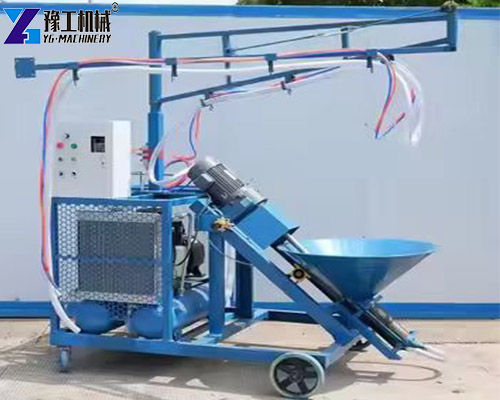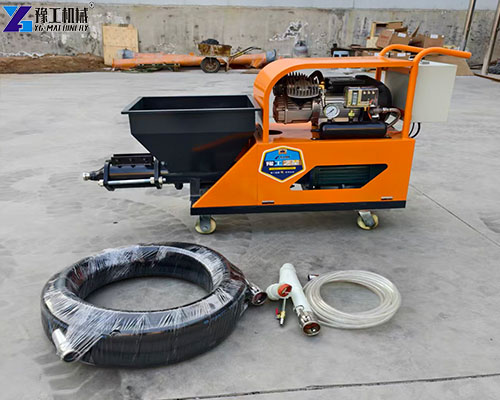
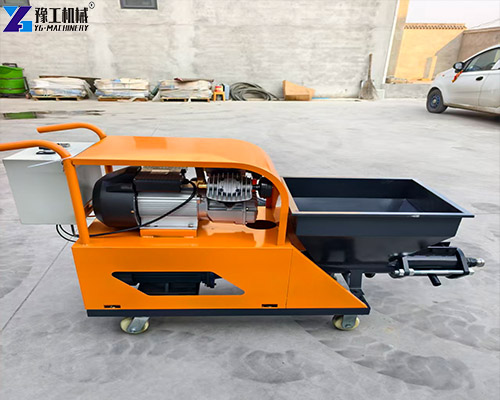
If you are looking for a faster way to apply cement mortar, this guide will explain how a stucco cement sprayer works, its key parameters, advantages, and suitable applications in modern construction projects.
Traditional manual plastering requires intensive labor and often causes uneven thickness, slow progress, and material waste. A modern spraying system uses mechanical pressure to transport and spray mortar evenly onto walls, ceilings, and other construction surfaces, improving efficiency and surface consistency.
Cement Mortar Sprayer Technical Parameters
The performance of a cement mortar sprayer mainly depends on pressure, motor power, conveying distance, material size, and hopper capacity.
| Model | YG311 | YG318 | YG500 | YG711 |
| Maximum Pressure | 3MPa | 3MPa | 3MPa | 3MPa |
| Capacity | 3㎡/h | 3㎡/h | 3-4㎡/h | 4㎡/h |
| Applicable Material Ratio (Water:Cement:Sand) | 0.7-1:1:3 | 0.7-1:1:3 | 0.7-1:1:3 | 0.7-1:1:3 |
| Main Motor Power | 4kw | 7.5kw | 8hp/12hp | 7.5kw |
| Particle Size | ≤4 mm | ≤8 mm | ≤8 mm | ≤8mm |
| Conveying Distance | Horizontal: 30 m / Vertical: 20 m | Horizontal: 50 m / Vertical: 30 m | Horizontal: 50 m / Vertical: 30 m | Horizontal: 50 m / Vertical: 30 m |
| Hopper Capacity | 60L | 80L | 80L | 100L |
| Feed Pipe Diameter | 32mm | 32mm | 32mm | 32mm |
| Weight | 200kg | 320kg | 320kg | 320kgc |
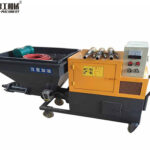
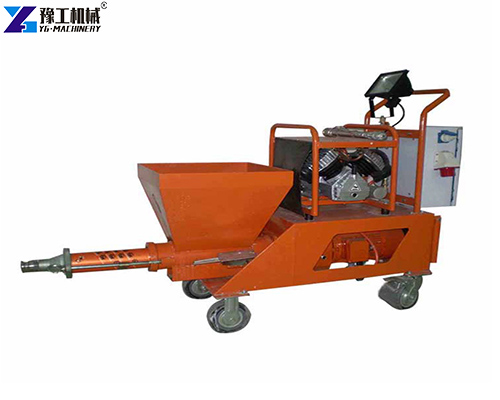
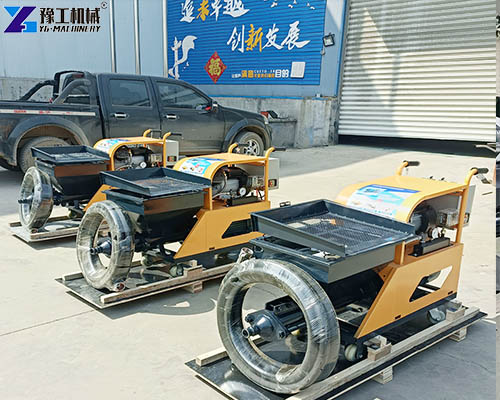
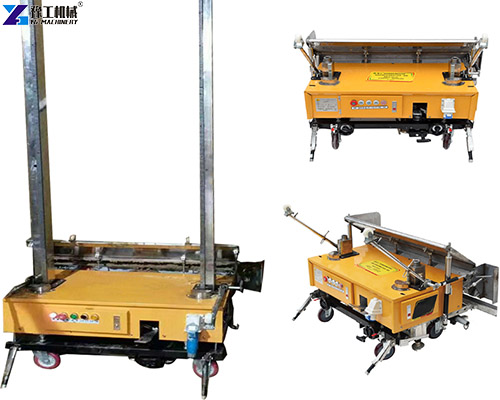
Different models are designed for different construction requirements. For example, YG311, YG318, YG500, and YG711 models provide different combinations of power, capacity, and conveying distance to match various jobsite conditions.
Render Spray Machine Working Principle and Structure
A render spray machine works through a continuous process of feeding, pressurizing, conveying, and spraying.
First, mixed mortar is added into the hopper. The motor drives the screw feeding system to deliver mortar continuously into the pressure system. The pump then creates a stable high-pressure mortar flow, which is transported through the hose and sprayed onto the construction surface through the spray gun.
The main components include:
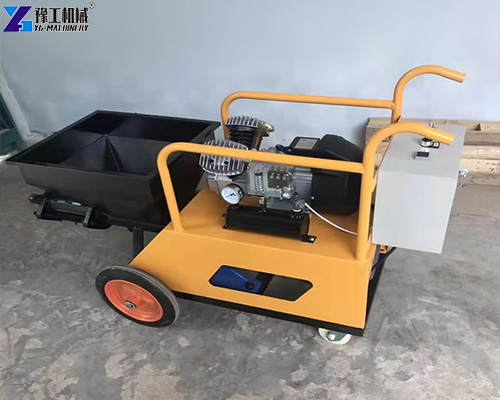
- Power system: Provides energy through the motor and air compressor.
- Material feeding system: Stores and continuously transfers mortar.
- Pressure system: Creates stable spraying pressure.
- Control system: Adjusts operation and spraying parameters.
- Spray system: Uses hoses and spray guns for final application.
This integrated structure helps maintain stable material flow and improves spraying consistency.
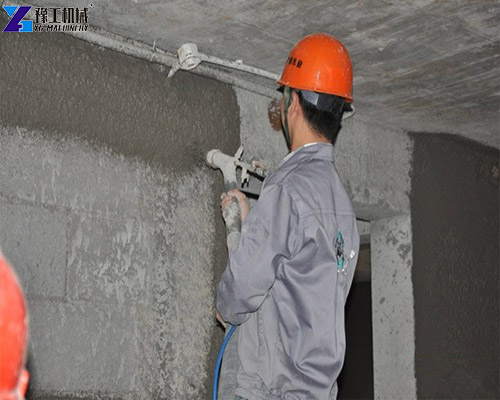
Stucco Cement Sprayer Features and Advantages
A stucco cement sprayer is designed to replace traditional manual plastering methods and improve construction efficiency.
Main advantages include:
- Uniform spraying quality: Helps reduce uneven thickness and improves surface consistency.
- Higher working efficiency: Suitable for large-area wall spraying projects.
- Lower labor intensity: Reduces dependence on manual plastering work.
- Easy operation: Simple controls allow workers to quickly learn operation methods.
- Flexible movement: Compact structure makes transportation and jobsite movement easier.
The machine can adjust spraying flow according to different construction requirements. The pump and compressor integrated design also improves mobility and convenience during operation.
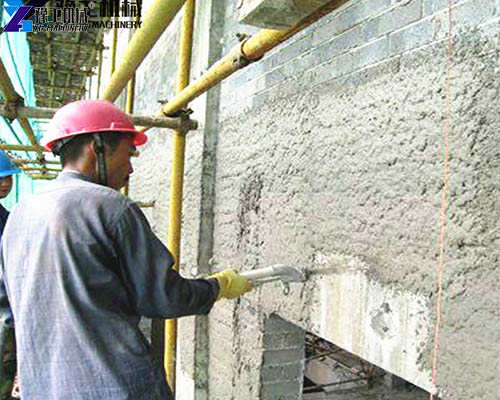
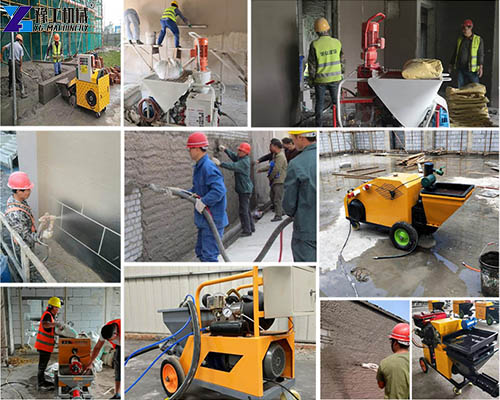
Cement Mortar Spray Machine Types and Applications
Different construction materials and environments require different equipment configurations.
Common types include:
1. Electric Mortar Spraying Equipment
Electric models are widely used because they are easy to maintain and suitable for regular construction sites.
2. Diesel Mortar Spraying Equipment
Diesel-powered models are suitable for outdoor projects where electricity supply is limited.
3. Hydraulic Spraying Equipment
Hydraulic systems provide stable pressure and longer conveying distances for special construction conditions.
Based on materials, spraying equipment can also be used for:
- Cement mortar spraying
- Gypsum spraying
- Insulation mortar spraying
- Putty spraying
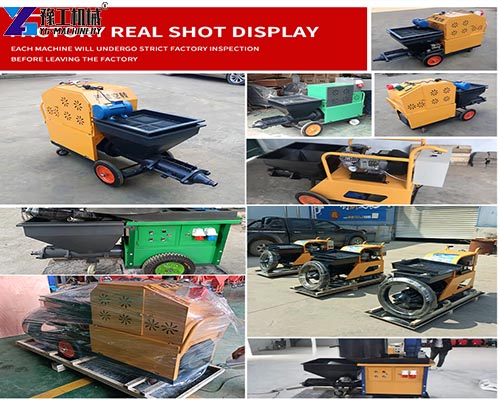
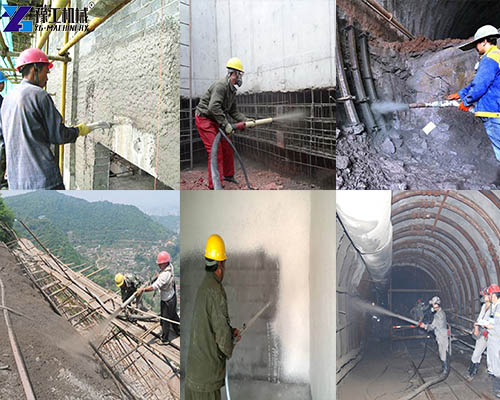
Stucco Cement Sprayer Applications in Construction
A stucco cement sprayer is widely used in different construction and finishing projects.
Typical applications include:
1. Residential Building Projects
For houses and apartment construction, the equipment helps contractors complete interior and exterior wall plastering faster while maintaining consistent surface quality.
2. Commercial Buildings
Shopping centers, office buildings, and large complexes require efficient wall finishing solutions. Continuous spraying improves productivity for large-area projects.
3. Hotels and Hospitals
Projects requiring higher surface quality can benefit from uniform spraying performance, reducing rework caused by uneven plaster thickness.
4. Renovation Projects
For old building renovation, compact spraying equipment provides easier operation and faster wall repair.
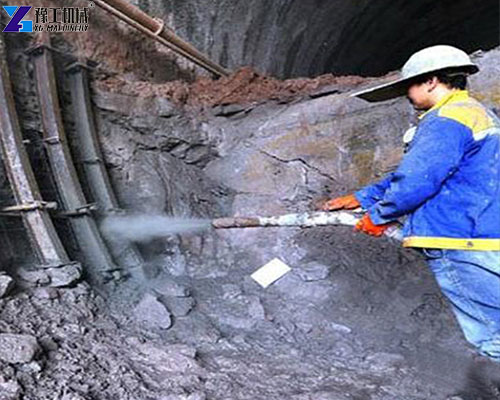
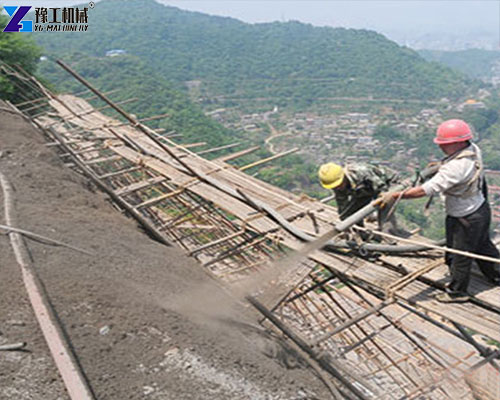
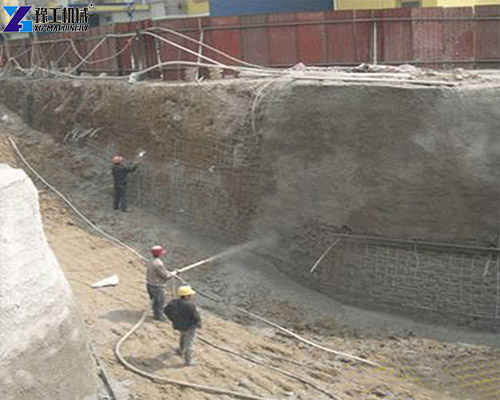
The equipment can also be applied in bridge grouting, waterproof spraying, tunnel construction, underground projects, and other engineering applications.
Render Spray Machine Selection Guide
Before choosing a stucco cement sprayer, contractors should consider several factors:
- Required spraying material.
- Project size and construction area.
- Required conveying distance.
- Available power supply.
- Required spraying capacity.
For example, large commercial projects may require models with larger hopper capacity and longer conveying distance, while smaller renovation projects may focus more on mobility and easy operation.
Professional Tip: Selecting the correct model according to material type and construction environment can improve spraying quality and reduce unnecessary downtime.
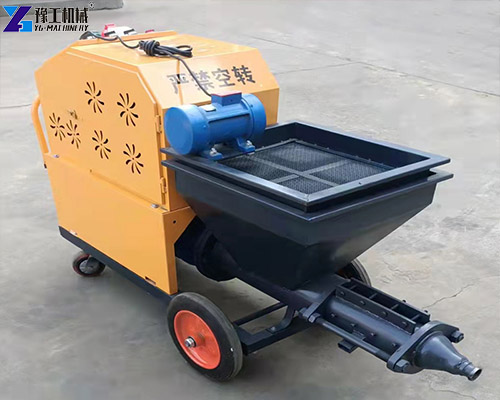
Cement Mortar Spray Machine Compared with Traditional Methods
Compared with manual plastering, a cement mortar spray machine provides faster construction speed and more consistent coating thickness.
Traditional methods often face several challenges:
- Low working efficiency.
- Uneven wall thickness.
- High labor demand.
- Long construction periods.
- Higher material waste.
Mechanical spraying technology helps contractors complete large-area projects more efficiently while improving surface quality.
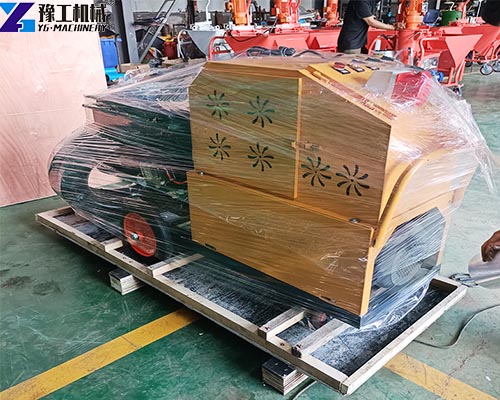
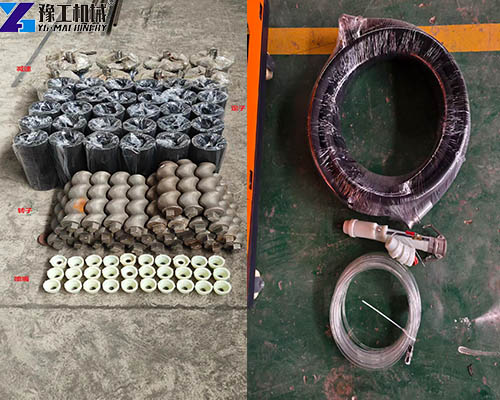
Stucco Cement Sprayer for Modern Construction Finishing
With increasing demand for efficient construction methods, the stucco cement sprayer has become an important solution for wall finishing and mortar application.
Its stable pressure system, flexible material compatibility, and continuous spraying performance make it suitable for residential buildings, commercial projects, renovation work, and infrastructure applications.
Choosing the right spraying equipment can improve project efficiency and construction quality. Contact our engineering team for suitable model recommendations and project solutions.