Let me tell you about Marko.
Marko runs a construction company in Serbia. He’s good at his job. He builds apartments, schools, and the occasional parking garage. But last year, plastering almost drove him out of business.
Not because he couldn’t find work. The opposite—Serbia is building like crazy. New highways, new buildings, even a giant expo coming in 2027. Work was everywhere. But plastering? That was his nightmare.
Every morning, Marko would show up at the site and see the same disaster. His plasterers—if they even showed up—were tired, slow, and expensive. Skilled guys? Forget it. They were all working in Germany or Austria. The ones left in Serbia wanted triple the pay from two years ago. And even then, they’d quit after a week because the job was too dusty, too hot, or too boring.
Marko tried everything. He hired workers from nearby countries. They came, they worked for a month, then they left for better offers. He bought a fancy European plastering machine—it cost him an arm and a leg. It broke down after three weeks. Spare parts? A month’s wait. He bought cheap local tools. They couldn’t pass the building inspector’s flatness test. Walls had to be redone. Twice.
One project was already three months late. Penalties were piling up. Marko started thinking about quitting construction altogether and opening a café. At least coffee doesn’t crack.
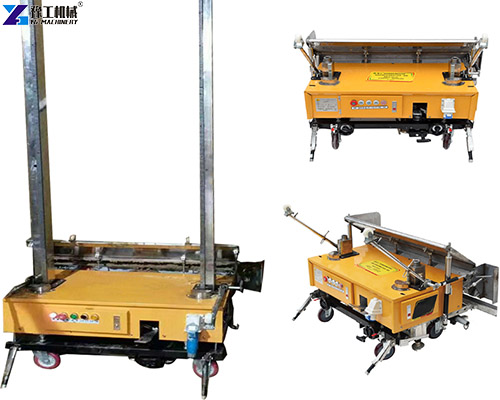
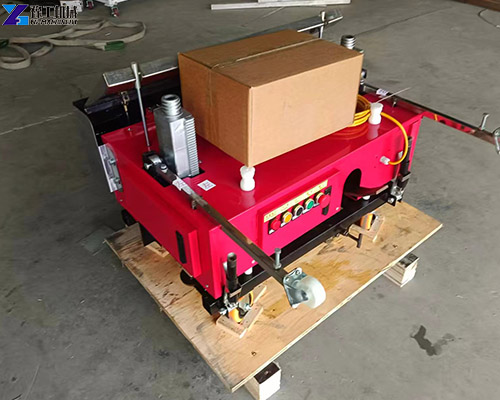
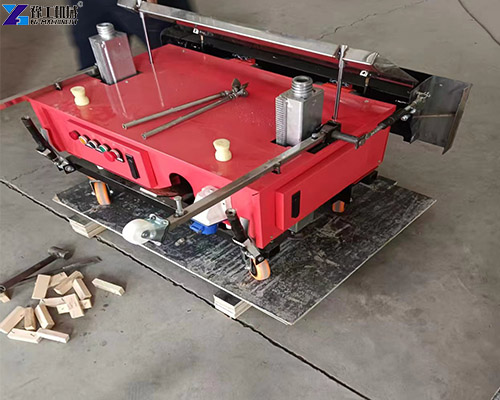
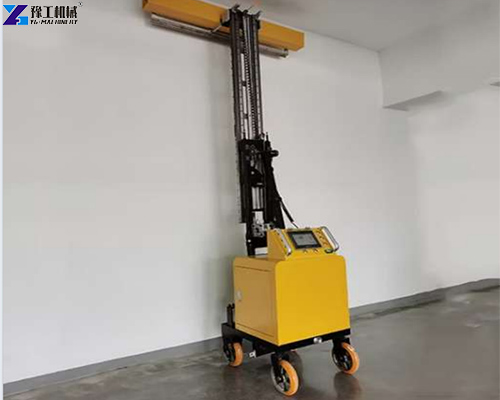
Then, at a trade fair in Belgrade, he saw a machine that looked… weird. Compact. Orange. It rolled up to a bare wall and spat out perfect plaster like butter on toast. In ten minutes, it did what his crew used to take half a day to do. The guy operating it? A teenager who’d never held a trowel.
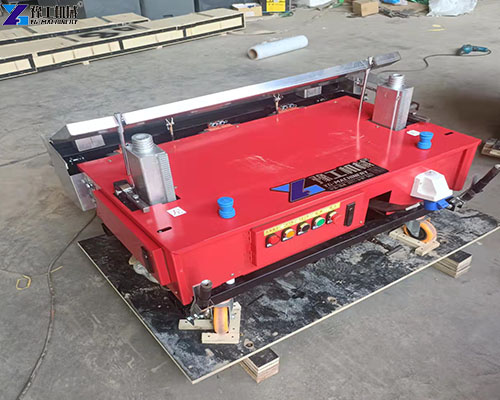
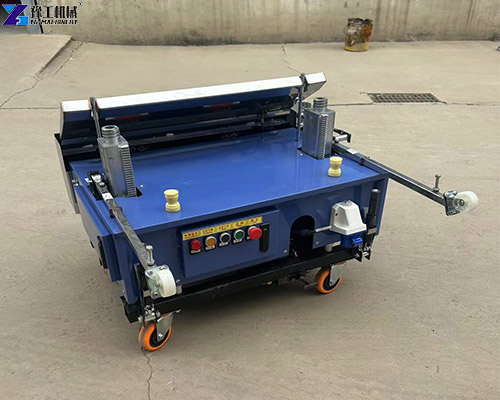
This machine was an automatic cement plastering machine manufactured in China. Marko had his reservations about it at first. “I’m not sure how reliable machinery made in China will hold up,” he wondered to himself. Still, he had no other viable options, so he decided to give it a try.
The Machine That Didn’t Quit
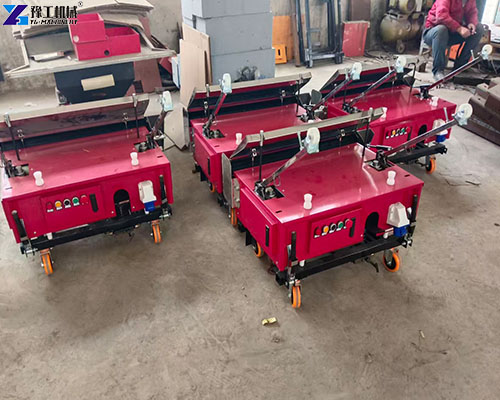
Our export team hooked him up fast. We hosted a live virtual factory walkthrough, where he watched the automatic wall plastering machine run continuously for hours on end. For Serbia’s unique construction requirements, we modified the machine to support their 220V grid and recalibrated plaster depth to work with regional sand blends. Full CE certificates and all customs filing paperwork were supplied upfront, alongside live vessel tracking so he could monitor the container’s overseas transit step-by-step.
When the machine arrived, our local agent showed up at his site. Two hours of training, and his youngest worker—a guy who usually just carried bricks—was running the automatic cement plaster machine like a pro.

The Numbers That Made Marko Smile
He put it to work on an 80,000‑square‑meter residential project. Here’s what happened:
| Before (6 guys) | After (1 machine + 1 kid) |
| 120 m² per day | 1,200 m² per day |
| 18% material waste | Under 5% |
| 62% pass rate (lots of rework) | 99.7% pass rate (zero rework) |
| Stops when it rains or gets hot | Runs from 0°C to 55°C, no complaints |
One automatic wall plastering machine replaced 18 skilled plasterers. Marko didn’t have to beg anyone to come to work. He didn’t have to pay overtime. He didn’t have to fix cracked walls ever again.
And the machine just kept going. Two thousand hours of operation in Serbian weather—hot summers, chilly autumns—without a single breakdown. His old European machine couldn’t last two months.
Marko’s Own Words
“I was an idiot for not buying this sooner,” Marko told me. “I used to think only German or Italian machines were reliable. This Chinese thing? It’s a beast. I saved so much money on labor and materials that the machine paid for itself in less than a year. Now I have six more of these automatic cement plaster machines on order. And I’ve already told three other builders in Belgrade—they all want one too.”
Why Serbian Contractors Are Switching?
- European machines cost three times as much and take forever to fix.
- Local tools can’t meet Serbia’s building standards.
- Manual labor is getting scarcer and pricier every year.
This automatic wall plastering machine is built for real sites—dust-proof, weather-proof, and stupid‑easy to operate. It turns any worker into a plastering wizard in two hours.

What Should You Do?
If you’re a Serbian contractor who’s tired of losing sleep over plastering, do what Marko did. You’ll no longer waste time hunting down qualified crews, lose revenue to construction delay penalties, or pour extra funds into fixing uneven, failed plaster walls.
- Contractors: Ask for Marko’s full case study and a cost-saving calculator made for Serbia.
- Dealers: Ask about exclusive rights for the Balkan region.
- Anyone else: Just ask for specs, shipping price, and customs help.
Drop us a message with your project size and wall area. We’ll match you with the right automatic cement plaster machine and show you exactly how much you’ll save.
Phone / WhatsApp / WeChat: +86 159 3715 3321
Because honestly—life’s too short for bad plastering.