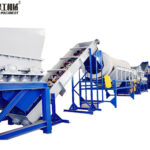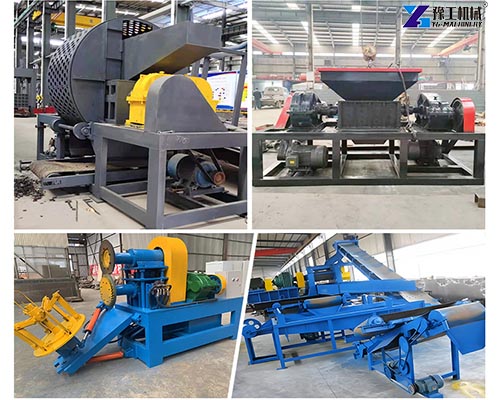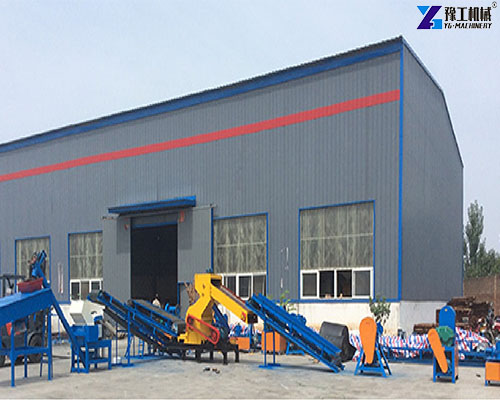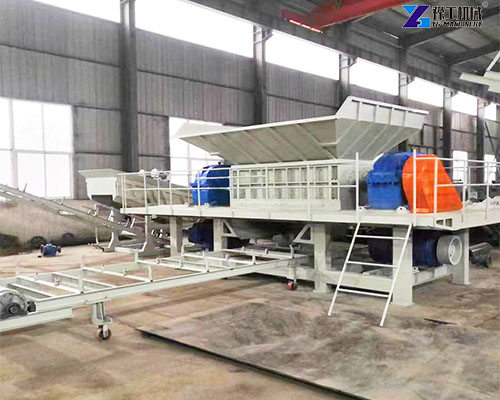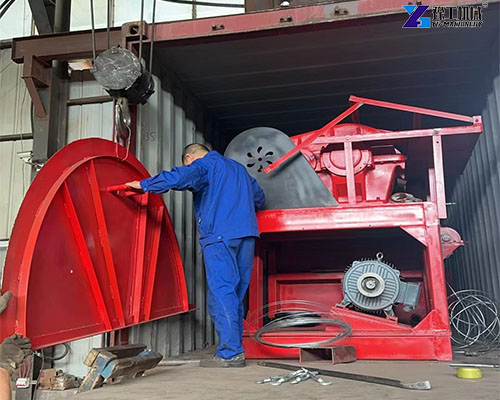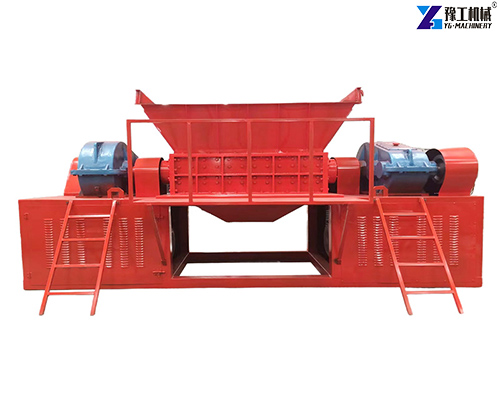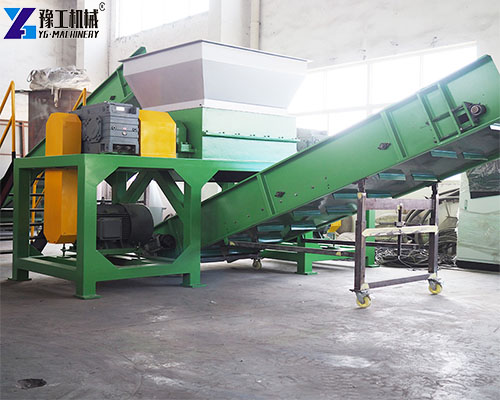
Plastic recycling line is an integrated system of machines that processes waste plastic into clean, reusable raw material. A complete line typically includes six matched stages: pre-sorting and size reduction, granulating, washing, drying, pelletizing, and quality control.
YG pet recycling line takes sorted plastic waste – bottles, film, rigid plastics, or post-industrial scrap – and turns it into clean flakes or pellets that buyers in the polymer supply chain will pay for. The final product can be used to make new bottles, packaging, pipes, or other plastic products.
The global market for plastic recycling washing lines was valued at US$1,320 million in 2025 and is projected to reach US$2,079 million by 2032. With growing environmental regulations and consumer demand for recycled content, plastic recycling is a growing industry.
YG Plastic Recycling Line – Key Specifications
| Capacity | 300KG | 500KG | 1000KG | 2000KG |
| Workshop(L*W*H) | 40 m*7.5 m*6 m | 42 m*10 m*6 m | 70 m*12 m*6 m | 80 m*15 m*6 m |
| Needed worker | 3-4 persons | 5-6persons | 7-8persons | 10-12persons |
| Water supply (recycled use) | 2-3ton/h | 3-5ton/h | 7-10ton/h | 10-15ton/h |
| Final product quality | Moisture: max 1% Scrap size: 10-18 mm Metal content: max.20ppm Total impurity: 100-320ppm | |||
How Does a Plastic Recycling Production Line Work?
A plastic recycling line follows a precise sequence. Every stage adds value by cleaning and sizing the material.
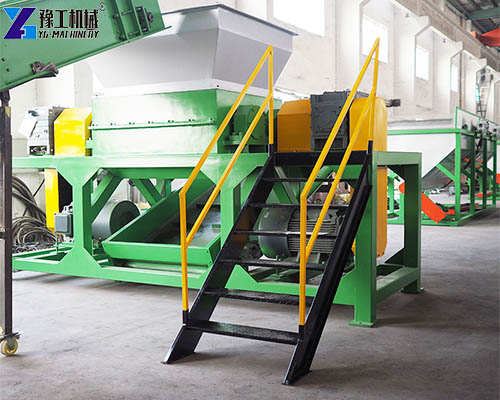
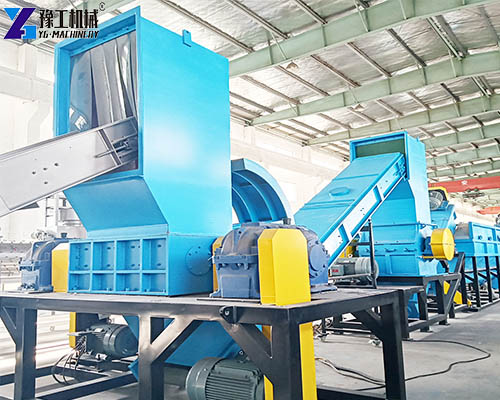
- Step 1 – Size reduction. The line starts with a shredder or crusher. A bale of post-consumer plastic is too dense to feed directly into a washing tank. Shredders reduce the material to roughly 30-80 mm pieces. Granulators then refine these into uniform flakes of 10-18 mm. Proper sizing is critical – improperly sized material causes bottlenecks downstream.
- Step 2 – Washing. Post-consumer plastic carries contaminants – labels, adhesives, food residue, soil, and mixed polymers. The washing system removes these through a multi-stage approach: pre-wash float tanks remove heavy contaminants like stones and metals, sink-float separation separates plastics by density, and friction washers use high-speed scrubbing to strip labels and surface dirt. Hot washers (80-95°C) dissolve adhesives and organic contaminants for higher purity.
- Step 3 – Dewatering. Even after washing, plastic flakes retain significant moisture. If not removed, this moisture turns to steam during melting, causing bubbles and voids in the final product. Centrifugal dryers spin the material to fling out bulk water. The YG line reduces moisture to below 1% – the spec required for quality extrusion.
- Step 4 – Drying. Mechanical dewatering is followed by thermal drying to remove residual surface moisture. For PET applications, additional crystallizers and desiccant dryers may be needed for food-grade rPET.
- Step 5 – Pelletizing. Washed and dried plastic flakes are melted, filtered, and formed into uniform pellets. The molten plastic is extruded into strands, cooled in a water bath, and then cut into pellets. This is the final transformation step – the universal feedstock for new plastic products.
- Step 6 – Quality control. Metal detectors and sorters remove any remaining metallic contamination before packaging. The YG line produces final flakes with metal content below 20 ppm and total impurity of 100-320 ppm.


What Materials Can a Plastic Recycling Production Line Process?
The YG plastic recycling line can handle a wide range of plastic waste:
- PET bottles – Water bottles, soda bottles, food containers. PET is the most common recycled plastic. The line processes PET into clean flakes for fiber, sheet, or new bottle applications.
- HDPE and PP – Milk jugs, detergent bottles, caps, containers. HDPE and PP are widely recycled into new bottles, pipes, and packaging.
- Film and bags – Agricultural film, shopping bags, shrink wrap. Film presents different challenges – it traps water and wraps around shafts. The YG line includes specialized equipment for film processing.
- Rigid plastics – Crates, pallets, pipes, and industrial scrap.
The line processes mixed or sorted plastic input and outputs material that meets buyer specifications.

Why Choose a YG Pet Bottle Recycling Line?
Here are the real benefits that make a plastic recycling line a smart investment.
- Turn waste into profit. Plastic waste is a liability. Clean flakes or pellets are a valuable commodity. A recycling line creates a new revenue stream from material you would otherwise pay to dispose of.
- Multiple capacity options. Four models from 300 kg/h to 2000 kg/h. Start small and scale up as your business grows. The 300 kg/h line is perfect for startups. The 2000 kg/h line is for industrial-scale operators.
- Low labor requirement. The 300 kg/h line needs just 3-4 workers. The 1000 kg/h line needs 7-8. Automated systems reduce labor costs.
- Water recycling. All YG lines recycle water. Fresh water consumption is significantly lower than the circulation rate. This reduces operating costs and environmental impact.
- High-quality output. Moisture below 1%, metal content under 20 ppm, total impurity 100-320 ppm. Your product meets the specs buyers in the polymer supply chain demand.
- Growing market. The global plastic recycling market is growing at 7.1% CAGR and is estimated to reach $67.6 billion by 2030. Demand for recycled plastic is rising as brands commit to using more recycled content.

Frequently Asked Questions
It is an integrated system of machines that processes waste plastic into clean, reusable flakes or pellets. It includes shredding, washing, drying, and pelletizing stages.
YG offers four models: 300 kg/h, 500 kg/h, 1000 kg/h, and 2000 kg/h.
The 300 kg/h line needs 40m × 7.5m. The 2000 kg/h line needs 80m × 15m.
Yes. All YG lines recycle water. Fresh water consumption is much lower than the circulation rate
PET bottles, HDPE, PP, film, rigid plastics, and post-industrial scrap.
Yes. The 300 kg/h line is ideal for startups. You can upgrade to larger capacity as your business grows.
Start Your Plastic Recycling Business with YG
Plastic recycling line is more than a machine – it is a business opportunity. YG offers four models from 300 kg/h to 2000 kg/h. The lines process PET, HDPE, PP, film, and rigid plastics. They produce clean flakes with moisture below 1% and metal content under 20 ppm. The water is recycled, reducing operating costs. The global market for recycled plastic is growing fast – driven by environmental regulations and consumer demand for sustainable products
YG Machinery also offers individual recycling machines – shredders, granulators, washers, dryers, and pelletizers. Contact YG with your plastic type, daily processing target, and available space. They will recommend the right pet recycling line and provide a quote. Turn waste into value – start recycling with YG.
Phone / WhatsApp / WeChat: +86 159 3715 3321