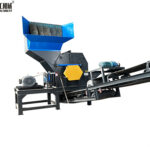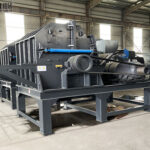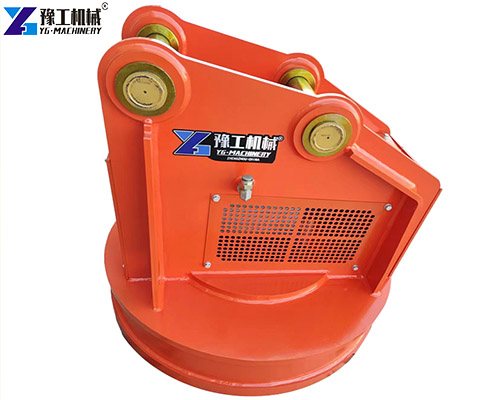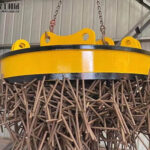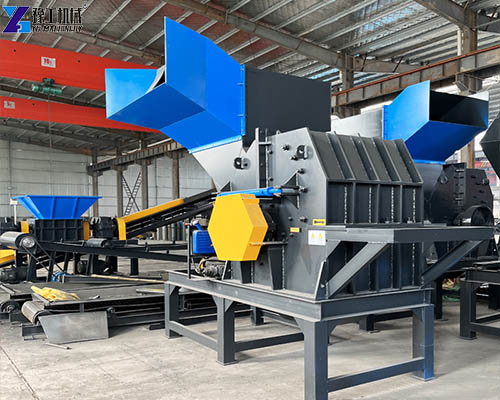

A metal recycling machine processes discarded metal into smaller pieces for subsequent sorting and recycling. It helps metal recycling plants, scrap yards, and metal processing businesses handle different types of scrap, including cans, steel sheets, pipes, motor rotors, and vehicle shells.
The product range includes six models, from YG-800 to YG-2000, with listed processing capacities of 700-900 kg/h to 20,000-25,000 kg/h. Different models are designed for different material sizes and processing requirements.
Find The Right Solution For Your Job
How Does a Small Metal Shredder Work?
Metal recycling generally involves size reduction, material separation, and the recovery of reusable metal.
The supplied process information identifies several physical separation methods, including crushing, screening, magnetic separation, and eddy-current or other separation methods. Operators may also adopt chemical and biological methods in broader metal recovery processes based on the material type and recovery objective.
A typical processing sequence is:
Scrap Feeding → Crushing → Screening → Metal Separation → Recovered Material Collection
The crushing stage reduces the size of scrap metal for further processing. Screening separates material by particle size, while magnetic separation can separate ferrous metals from non-ferrous materials. Other separation equipment can be selected according to the material mixture and production requirements.
The exact line configuration depends on the scrap type and the required output.
Get Your Project‑Specific Quote
What Materials Can a Metal Recycling Machine Process?
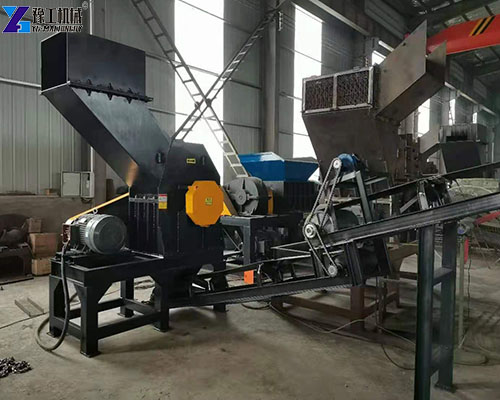
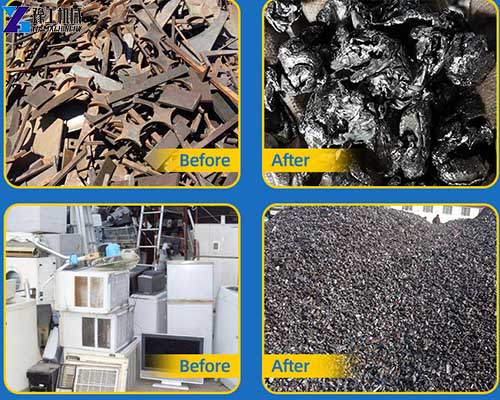
The six listed crusher models are associated with different scrap materials. To select the right model, start by identifying the material type, dimensions, and thickness.
| Model | Typical Materials Listed in the Product File |
| YG-800 | Used beverage cans, oil filters, milk powder cans |
| YG-1000 | Waste paint buckets, color-coated steel sheets, scrap metal sheets |
| YG-1300 | Rack materials, light and thin scrap, motor rotors |
| YG-1600 | Waste bicycles and motorcycles |
| YG-1800 | Waste steel plates, steel pipes, plastic-steel materials, doors and windows |
| YG-2000 | Car shells and waste household appliances |
These applications provide a starting point for model selection. Material dimensions and thickness should be confirmed before ordering to ensure that the selected machine can accept the incoming scrap.
Get Your Project‑Specific Quote
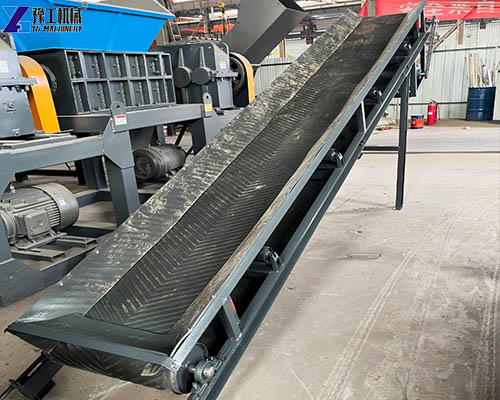
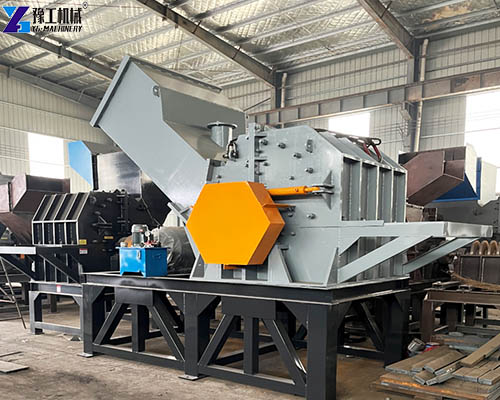
What Are the Technical Specifications of the Metal Recycling Machine?
The product range covers six models with different processing capacities and motor power requirements.
| Parameter | YG-800 | YG-1000 | YG-1300 | YG-1600 | YG-1800 | YG-2000 |
| Capacity (kg/h) | 700-900 | 1,500-2,000 | 3,000-5,000 | 8,000-10,000 | 13,000-17,000 | 20,000-25,000 |
| Motor Power (kW) | 37-45 | 55-75 | 140 | 260 | 450 | 450 |
The listed capacity increases with model size, from 700-900 kg/h for the YG-800 to 20,000-25,000 kg/h for the YG-2000.
These figures are the supplied model specifications. Actual output should be evaluated against the material being processed, its dimensions, and the operating configuration.

How Does a Scrap Metal Crusher Fit into a Recycling Line?
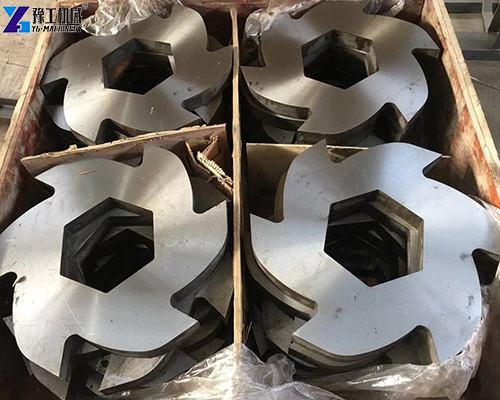
A scrap metal crusher is used to reduce scrap size before downstream sorting or recycling. The supplied product information lists a range of crusher sizes for different materials, from small cans and filters to larger scrap such as vehicle shells.
For a complete recycling line, crushing may be combined with additional equipment, including:
- Magnetic separators
- Air separators
- Eddy-current separators
- Density separation equipment
- Screening equipment
Each unit performs a different role. Crushing reduces material size, while separation equipment helps sort the processed mixture according to properties such as magnetism, density, or electrical conductivity.
Not every line requires all these machines. The final arrangement should reflect the composition of the incoming scrap and the desired recovered materials.
Get Your Project‑Specific Quote
FAQ About Metal Recycling Machines
The listed capacity ranges from 700-900 kg/h for the YG-800 to 20,000-25,000 kg/h for the YG-2000.
The listed motor power ranges from 37 kW to 450 kW, depending on the model.
Yes. The YG-1800 is listed for waste steel plates, steel pipes, plastic-steel materials, doors, and windows.
A screen size of 60-70 mm. The required output size and its effect on capacity should be confirmed for the specific material.
Find The Right Solution For Your Job
Get a Small Metal Shredder for Your Scrap Materials
A metal recycling machine reduces scrap size before further sorting and recycling. With six models covering listed capacities from 700 to 25,000 kg/h, the product range can address different scrap processing requirements.
Contact us with your scrap type, maximum material dimensions, target capacity, and required finished size to identify a suitable model and supporting equipment.