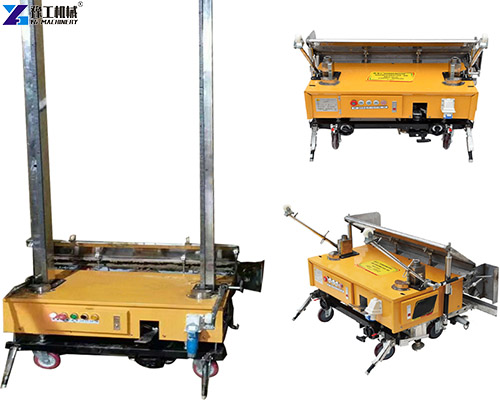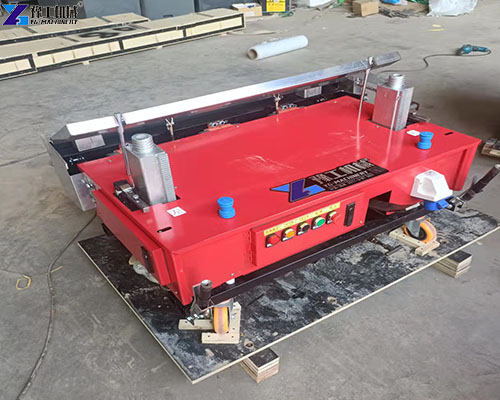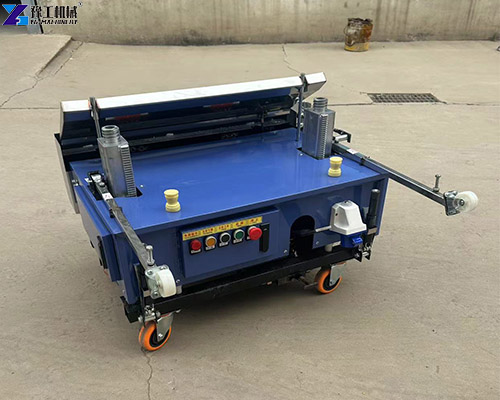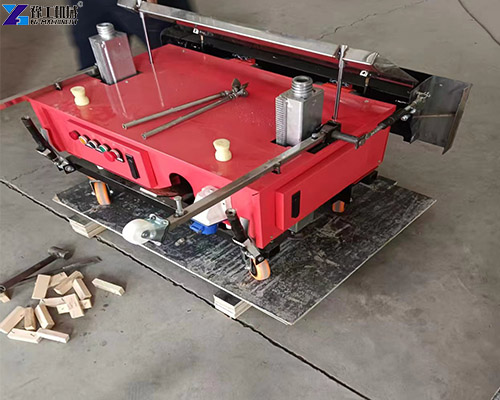
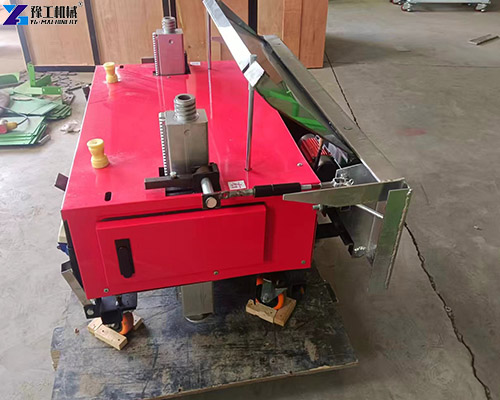
An automatic wall plastering machine helps construction teams apply plaster more consistently across suitable wall surfaces, reducing some of the repetitive manual work involved in traditional plastering. When choosing a machine, contractors should compare working height, plaster thickness, power requirements, material compatibility, and expected output under actual site conditions.
YG Machinery offers wall plastering equipment in different configurations. The right model depends on your project size, wall conditions, available power supply, and the type of plaster you plan to use. Before ordering, confirm the machine specifications and request a quotation based on your application.
Looking for a suitable model? Share your project requirements with our team to check the available configuration and pricing.
Germany is short of 200,000 skilled construction workers. Plasterers are the rarest. Contractors have jobs but no hands.
European plastering machines are beautiful – precise, heavy, expensive. But they still need a skilled operator. Chinese cement plastering machines for walls do something else: they turn a rookie into a ten-man team.
YG-800 vs. YG-1000: Which Model Fits Your Project?
Two Chinese models are everywhere now: YG‑800 and YG‑1000.
| Model | YG-800 | YG-1000 |
| Plastering height | Below 4 meters | Below 5 meters |
| Weight | 270 kg | 290 kg |
| Plastering thickness | 2~30 mm | 2~30 mm |
| Power | 1.5 KW | 1.5 KW |
| Plastering efficiency | 500 CBM/8H | 550 CBM/8H |
| Voltage | 220 v/380 v optional | 220 v/380 v optional |
A German site supervisor told us: “Our old European machine did 350 CBM per shift with two pros. This Chinese wall plastering machine does 500 with one trainee.”
That’s not opinion. That’s the logbook.
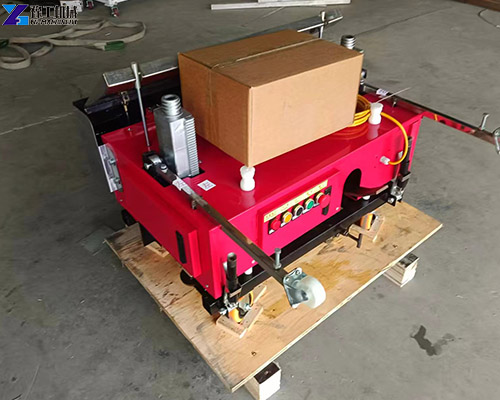

Three Reasons German Contractors Switch
- Labor killer – One cement plastering machine for wall replaces 8–10 manual workers. No more begging for plasterers.
- Material saver – Vibration plastering eliminates hollow spots. Waste drops by ~20% compared to hand work.
- Zero learning curve – Plug, set height, start. No complex programming. Any site worker runs it after 10 minutes.
European competitors offer similar thickness control (2–30 mm) and height reach. But they cost more to service and demand certified operators. The Chinese wall plastering machines keep running with basic maintenance, and German mechanics have confirmed that in field reports.
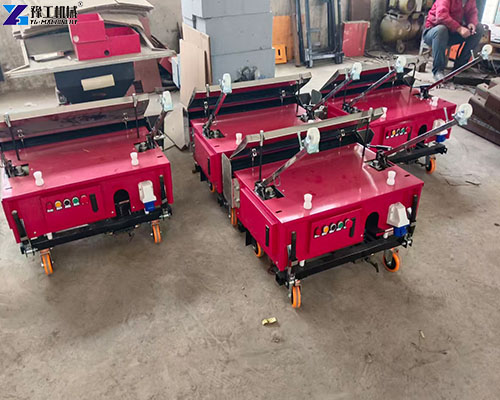

The Uncomfortable Truth
German contractors don’t buy Chinese because they’re “good enough.” They buy the cement plastering machine for wall from China because it delivers more square meters per euro of labor cost – and that’s the only metric that pays the bills.
One project in a major German city used the YG‑1000 on a 5‑story residential block. Plastering finished 6 days ahead of schedule. The contractor said, “I don’t care about the flag on the machine. I care about the finish on the wall.”
Final Data Point
- European machine avg. output: ~380 CBM / 8H (with 2 skilled workers)
- Chinese wall plastering machine is average. Output: 500–550 CBM / 8H (with 1 semi‑skilled worker)
That gap is why the trend is real. Not hype. Not patriotism. Just plain site data.
Parameters Of The Automatic Wall Plastering Machine (Quick Reference)
- Height range: 4m or 5m options
- Thickness: 2–30 mm both
- Power: 1.5 KW both
- Voltage: 220V / 380V optional both
- Efficiency: 500 vs 550 CBM/8H
Bottom Line
European equipment is still top‑tier engineering. But German contractors are now running the numbers, not the brand. And every cement plastering machine for wall that arrives from China is proving one thing: productivity wins over prestige.
If you’re a contractor, you don’t need a story. You need a machine that works. The data says these work – and German sites are the proof.
If you are interested, please feel free to contact us at any time.
Phone / WhatsApp / WeChat:+86 159 3715 3321