You’ve got steel plates coming in. Structural sections are waiting for paint. Shipyard work, bridge fabrication, storage tank construction—any job where bare steel needs to be clean before coating or welding.
Surface preparation is the foundation. Skip it or do it poorly, and coatings fail, welds weaken, and customers reject the work. That’s rework. That’s lost time. That’s wasted money.
A rolling drum shot blasting machine is what you need. It blasts away mill scale, rust, and old coatings—leaving a clean, profiled surface ready for paint or fabrication. But these machines come in different widths, lengths, speeds, and power levels. Which one fits your shop? This guide answers exactly that.
No fluff. No jargon. Just clear selection advice based on what you actually produce.
What Is A Rolling Drum Shot Blasting Machine?
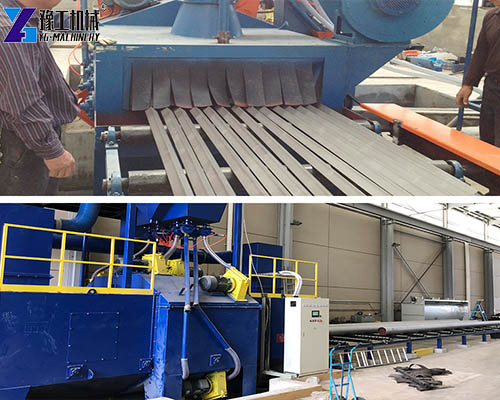
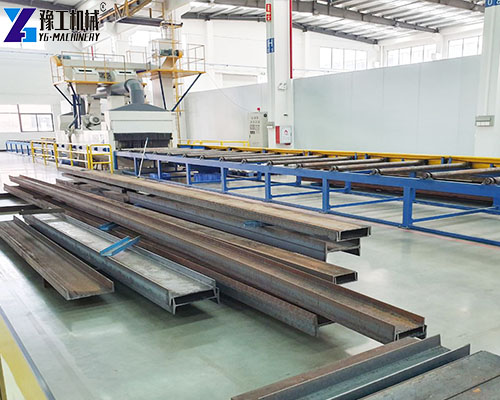
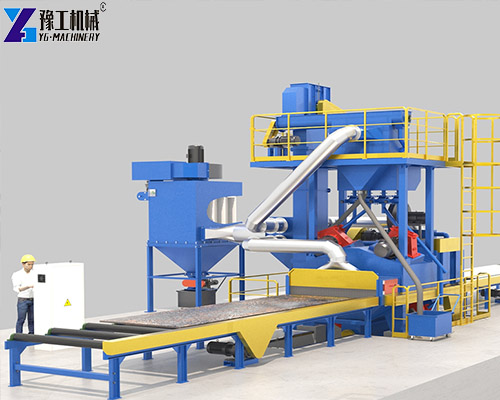
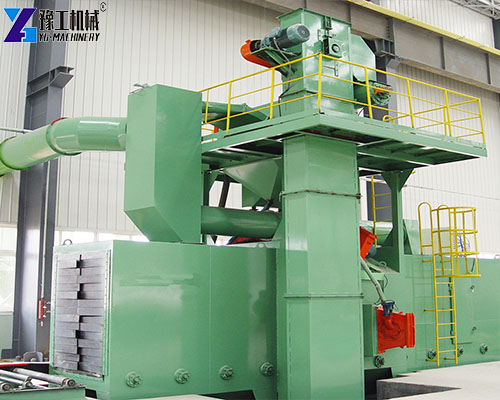
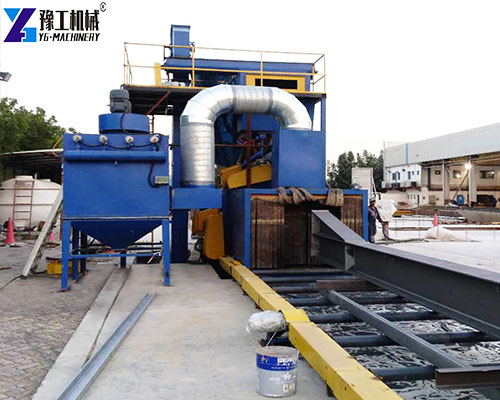
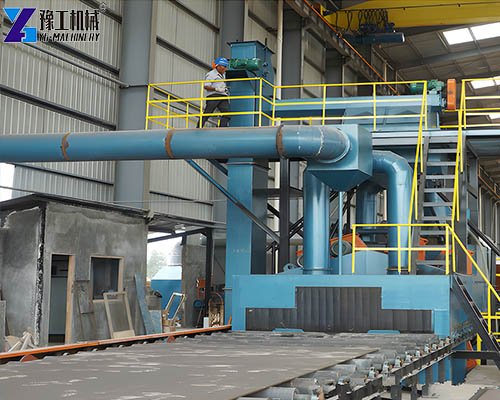
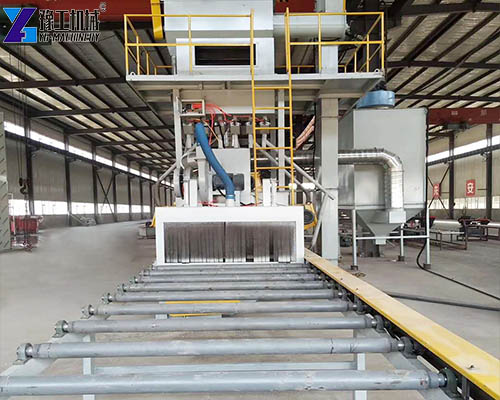
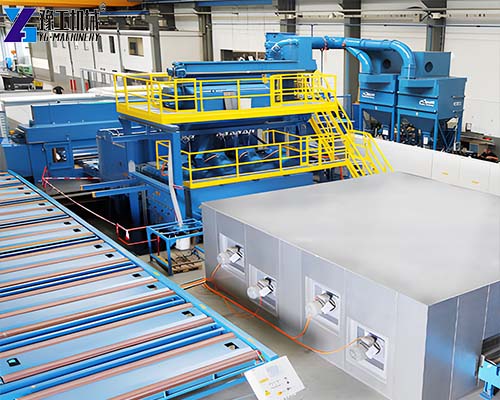
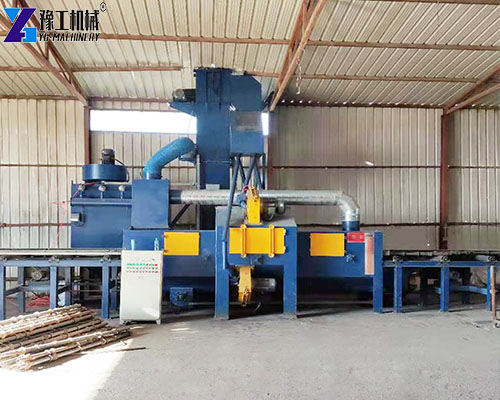
Think of it as a cleaning tunnel for steel. Plates or sections enter one end on a powered conveyor, pass through a blasting chamber, and come out clean on the other side.
Inside the chamber, multiple impellers throw steel shot at high velocity. The shot impacts the steel surface, removing mill scale, rust, and old paint. The shot then falls, is collected, cleaned, and recycled automatically.
The “rolling drum” refers to the conveyor design—steel parts move through the machine on conveyor rollers or chains. But the term is often used broadly for any continuous-feed through-blast system.
Key point: this is a through-feed machine. Plates move in one end and out the other, making it ideal for production line environments. It handles sheet metal, structural steel sections, pipes, and profiles.
A conveyor shot blasting machine is the more general term for this type of equipment. It includes both wheel-blast (shot) and air-blast (sand) systems. But for heavy steel prep, the shot-blast version is standard.
Why Surface Prep Matters—And Why This Machine Is the Answer?
Bare steel from the mill is covered in mill scale—a hard, brittle oxide layer. Paint won’t stick to it properly. Welding over it introduces impurities.
The cost of bad prep:
- Paint peels within months
- Welds fail inspection
- Rework doubles the labor cost
- Customer rejects shipments
Why a rolling drum shot blasting machine is the right solution:
- Speed. Continuous feed—load one end, take out the other
- Consistency. Every piece gets the same blast profile
- No labor. No workers in protective suits with handheld blasters
- Low operating cost. Recycled shot, automated operation
If you’re processing steel in volume, this is the standard. Hand blasting doesn’t scale.
Cheap vs. Quality Shot Blasting Machines
Spec sheets can look similar. But build quality separates the reliable workhorse from the money pit.
What to Avoid
Thin chamber liners. Shot blast wear plates are consumable. Cheap machines use thin liners that wear through in months—then you’re replacing entire panels, not just liners.
Low-grade impellers. Shot wheel blades fail prematurely. Uneven wear causes vibration and poor blast patterns. Frequent replacements add to the operating cost.
Poor dust collection. The blast chamber creates dust. A weak dust collector means dust escapes, coats the shop, and poses health risks.
Unreliable conveyor drive. The conveyor carries your steel through the blast zone. Underpowered or poorly designed drives stall, jam, and break.
No adjustment flexibility. Some machines lock you into fixed blast parameters. You can’t adjust speed, shot flow, or impeller angle—so you’re stuck with one cleaning result.
Quality Indicators
Heavy-duty chamber liners. Thick manganese or chrome alloy liners that withstand shot impact for years, not months. Replace only the liners, not the chamber itself.
Durable impellers from known sources. Consistent shot distribution. Longer blade life. Stable operation. Standardized parts that are easy to source.
Integrated dust collector. The machine includes its own dust collection system—no separate purchase required. Clean air, clean shop, clean compliance.
Robust conveyor system. Reliable drive motor, adjustable speed, smooth operation. It carries heavy loads without stalling.
Flexible control. You can adjust conveyor speed, shot flow, and run time to match the material—thick plate vs. thin sheet, heavy rust vs. light scale.
Matching The Machine To Your Shop
You don’t need to know every technical detail. You just need to know what you process.
Small Fabrication Shop
- Steel widths up to 800 mm
- Mixed sections and plates
- Moderate daily volume
Match: YG-698
- 800 mm cleaning width
- 4 × 180 kg/min blast flow
- 90 kW total power
Medium Fabrication / Steel Service Center
- Plates up to 1500 mm wide
- Regular structural beams
- Higher throughput
Match: YG-6915
- 1500 mm cleaning width
- 4 × 250 kg/min blast flow
- 113.5 kW total power
Large Structural Steel Fab
- Wide plates up to 2000–3000 mm
- Heavy beams
- Production-line volume
Match: YG-6920 or YG-6925
- 2000–2500 mm cleaning width
- 6 × 250 kg/min blast flow
- 156.6–204.8 kW total power
Heavy Plate Processing / Shipyard
- Very wide plates (3000–4000 mm)
- Thick material (up to 100 mm+)
- Continuous high-volume operation
Match: YG-6930 or YG-6940
- 3000–4000 mm cleaning width
- 6 × 360 or 8 × 360 kg/min blast flow
- 224.55–293.6 kW total power
Our Rolling Drum Shot Blasting Machine Line
We manufacture a full range of rolling drum shot blasting machines to match every production scale. Here is our lineup at a glance.
| Parameter | YG-698 | YG-6912 | YG-6915 | YG-6920 | YG-6925 | YG-6930 | YG-6940 |
| The effective cleaningwidth(mm) | 800 | 1200 | 1500 | 2000 | 2500 | 3000 | 4000 |
| The room feed-insize(mm) | 1000*400 | 1400*400 | 1700*400 | 2200*400 | 2700*800 | 3200*800 | 4200*400 |
| The length of the workpiece (mm) | 1200-12000 | 1200-1600 | 1200-12000 | 1200-12000 | 3000-12000 | 2400-12000 | 4500-18000 |
| The speed of the conveyor(m/min) | 0.5-4 | 0.5-4 | 0.5-4 | 0.5-4 | 0.5-4 | 0.5-4 | 0.5-4 |
| The thickness of the cleaning steel sheet(mm) | 3-60 | 3-60 | 1.5-60 | 3-60 | 3-60 | 3-110 | 4.5-100 |
| The section steelspecification(mm) | 800*300 | 1000*300 | 1500*300 | 2000*300 | 2500*700 | 3000*700 | 4000*300 |
| The quantity of shotblasting(kg/min) | 4*180 | 4*250 | 4*250 | 6*250 | 6*250 | 6*360 | 8*360 |
| The first enclosedquantity(kg) | 4000 | 4000 | 4000 | 4500 | 4500 | 8000 | 11000 |
| Roll brush adjustingheight(mm) | 200 | 200 | 350 | 450 | 600 | 850 | 900 |
| Total power (kW) | 90 | 78.3 | 113.5 | 156.6 | 204.8 | 224.55 | 293.6 |
| Airness size(m3/h) | 22000 | 17560 | 19000 | 19550 | 27758 | 28050 | 38000 |
All models feature adjustable conveyor speed, integrated dust collection, and robust construction. The specific configuration—impeller count, shot flow, power—is matched to the cleaning width and typical workpiece thickness.
Our Service Package
If you’re purchasing from overseas or shipping internationally, here is what we provide:
- Site requirement analysis. Tell us your typical steel sizes, daily throughput, and shop layout. We recommend the right machine—no oversell.
- Export packaging. Secure, marine-grade crating for safe ocean freight.
- Full documentation. Commercial invoice, packing list, certificate of origin, and all customs compliance paperwork.
- Pre-shipment testing. Every machine is run-tested and inspected before it leaves the factory.
- Remote installation guidance. Videos, manuals, and live support to get you up and running.
- Spare parts. Blast wheels, liners, wear plates, and conveyor components—stocked and ready.
- Ongoing technical support. Not just a year—for the life of the machine.
Final Takeaway
A rolling drum shot blasting machine isn’t a purchase. It’s an investment in quality, productivity, and customer satisfaction. The right machine cleans steel to spec, fits your production volume, and keeps working shift after shift.
Cheap machines fail. Oversized machines waste power. The right machine matches your material—width, thickness, section size, daily throughput.
We build that match. No shortcuts. No inflated specs. Just solid equipment from a supplier who supports what we sell.
Need the right rolling drum shot blasting machine for your shop?
Tell us:
- Your typical steel widths and thicknesses
- Your daily processing volume
- Your primary applications (plate, structural sections, pipes, etc.)
We’ll recommend the right model—no upsell, just the right fit.
Clean steel. Reliable finish. On to the next job.