You have a pile of loose material. Sand. Gravel. Scrap metal. Demolition debris.
A standard bucket works – but it spills. You lose material on the way to the truck.
A grapple works – but it can’t hold fine material like sand or gravel.
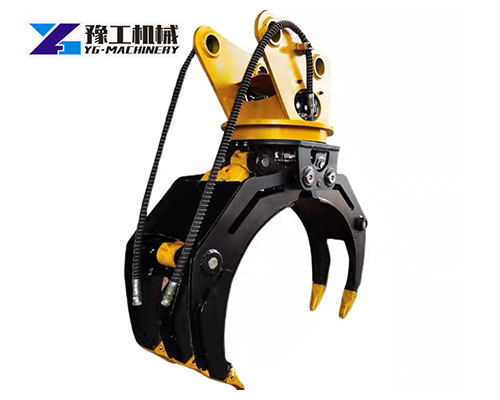
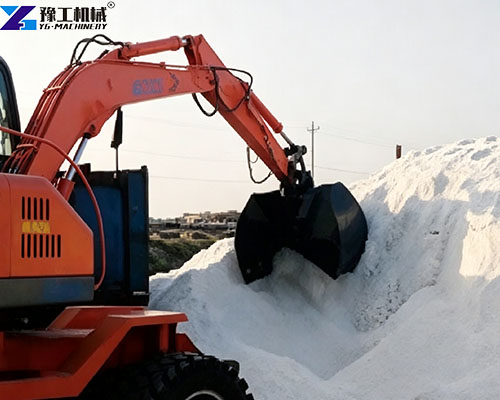
There’s a tool that does both: grabs like a grapple, holds like a bucket. It’s called a clam bucket for excavator. And it’s perfect for loose, bulky, or irregular materials.
What Is A Clamshell Attachment Excavator Exactly?
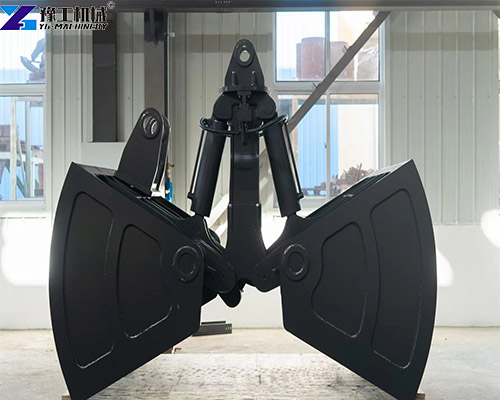
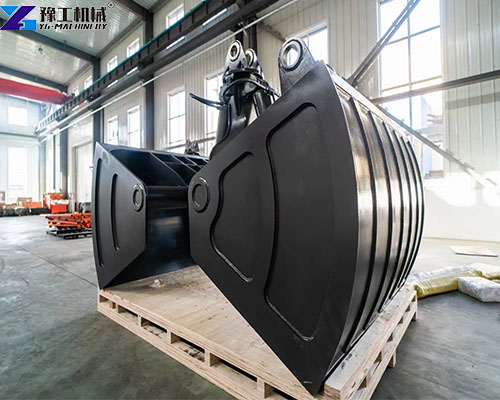
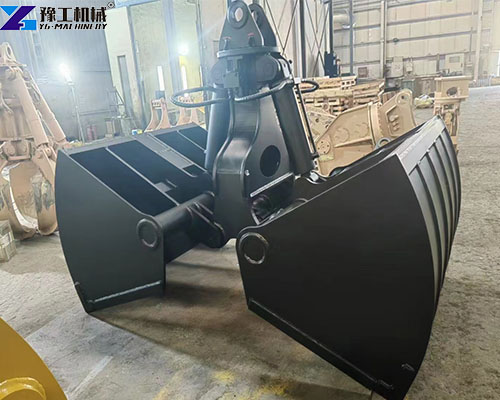
Think of two steel shells that open and close like a giant pair of hands.
You lower it onto a pile. The shells close around the material, scooping it up from the sides. Then you lift and move – and nothing spills out.
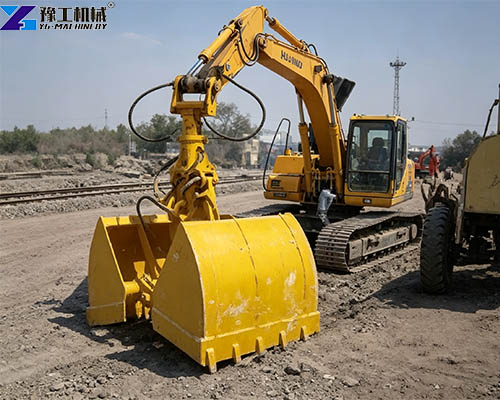
A clamshell attachment excavator replaces your standard bucket. It gives you the ability to grab and move material that a normal bucket can’t handle – scrap, demolition waste, rocks, sand, and even dredged material.
One contractor in the UK told us: “I used to use a standard bucket for demolition debris. Half of it would fall off before I reached the truck. Now with my clam bucket for excavator, every load stays in. I’m moving 40% more material per hour.”
Who Buys A Clamshell Attachment Excavator Or A Full‑Size One?
From our real customer list:
Demolition contractors – grabbing and loading broken concrete, rebar, and mixed debris. The clamshell holds it all without spilling.
Scrap and recycling yards – handling scrap metal, car bodies, shredded material, and loose recyclables.
Construction sites – moving sand, gravel, and crushed stone. The clamshell scoops from piles without wasting material.
Ports and shipping terminals – unloading bulk cargo from ships and barges.
Dredging and waterway maintenance – scooping mud, silt, and sediment from canals and ponds.
Landscaping and earthmoving – handling mulch, topsoil, and compost. One operator in Australia said: “I use my clamshell bucket for mini excavator to lift large rocks into place. It’s more precise than a standard bucket.”
The Numbers You Actually Care About
| Item/Model | Unit | YGCS04 | YGCS06 | YGCS08 | YGCS10 |
| Suitable Excavator | ton | 7-11 | 12-18 | 18-25 | 26-35 |
| Weight | kg | 800 | 1200 | 2000 | 2300 |
| Opening | mm | 1000 | 1500 | 2200 | 2300 |
| Working Pressure | bar | 180 | 210 | 250 | 250 |
| Set Up Pressure | bar | 250 | 290 | 320 | 340 |
| Working Flow | lpm | 190 | 210 | 220 | 240 |
What Can A Clamshell Attachment Excavator Pick Up?
- Sand and gravel – holds fine material without spilling
- Crushed stone and aggregates – loads trucks cleanly
- Demolition debris – concrete chunks, bricks, rebar
- Scrap metal – steel, aluminium, copper
- Dredged material – mud, silt, sediment
- Logs and timber – smaller logs and branches
And it works in any orientation – straight down into a pile or sideways against a wall. The shells scoop material from the bottom, not just the top.
One contractor in Canada said, “I use my clamshell attachment excavator to unload gravel from barges. The clamshell doesn’t spill – every scoop goes into the truck.”
How To Choose The Right Clam Bucket For Excavator?
- Match your excavator size – use the “Suitable Excavator” column.
- Consider your material – heavy scrap? Demolition debris? Sand and gravel? The clamshell handles all of it.
- Check your hydraulic flow – make sure your excavator supplies the required L/min.
- Opening width – wider opening = bigger piles. But wider also means heavier.
One Last Truth
A bucket digs. A clamshell grabs and holds. If you move loose or irregular material, this is the tool you need.
👉 Email admin@chinayugongmachinery.com now. Tell me your excavator model and material type. I’ll recommend the right clamshell within 24 hours.
Grab more. Spill less.