You have a pond. A lagoon. A settling tank. An oil storage facility.
They’re full of sludge, sediment, and years of accumulated muck.
Draining them is expensive. Shutting down operations is a nightmare. Sending divers in is dangerous and slow.
There’s a machine that goes into the water, crawls along the bottom, and pumps out the sludge – while you stay on dry land with a remote control.
It’s called a sand dredging machine. And it’s changing how industrial facilities, farms, and municipalities clean their water bodies.


What Is A Sand Dredging Machine Exactly?
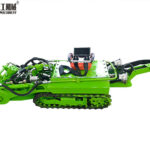
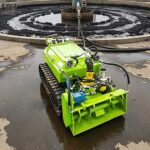
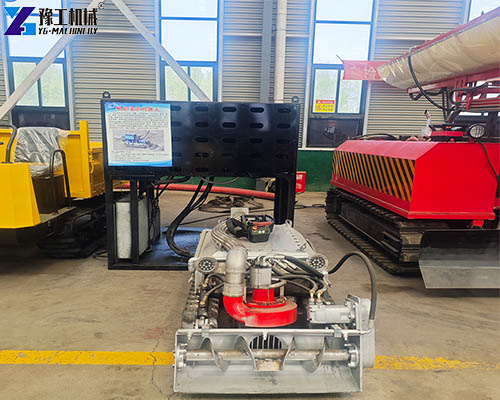
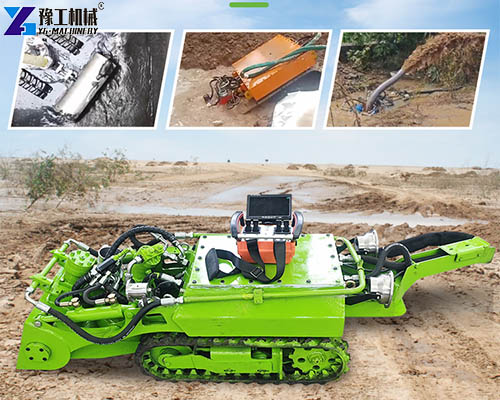
Think of it as a remote‑controlled underwater vacuum cleaner on tracks.
You lower it into the water, guide it with a wireless remote, and it crawls along the bottom – sucking up sand, silt, sludge, and debris.
It pumps the material through a floating hose to a disposal area onshore.
The sand dredging machine is compact enough to fit through manholes, yet powerful enough to move 200 cubic metres of material per hour.
It works in ponds, tanks, lagoons, settling basins, and even oil storage facilities.
Who Buys A Dredging Robot?
From our real customer list:
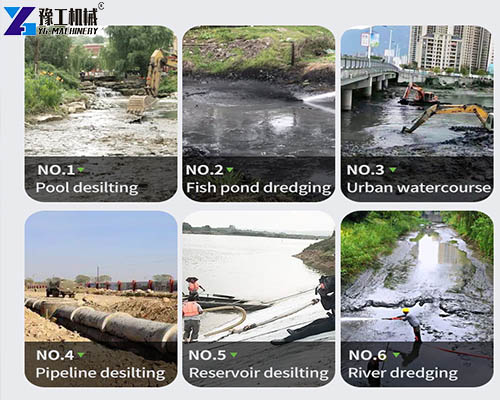
Industrial plants – cleaning settling ponds, cooling water basins, and wastewater treatment lagoons without shutting down production.
Oil and gas facilities – removing sludge from the bottom of storage tanks. No need to empty the tank or send in workers with shovels.
Farms and aquaculture – cleaning irrigation ponds, fish farm settling basins, and drainage channels.
Municipalities – dredging stormwater ponds, sewage lagoons, and small waterways.
Mines and quarries – removing sediment from tailings ponds and process water basins.
One customer in Texas told us: “We had a 20,000 m³ settling pond that hadn’t been cleaned in 10 years. Draining it would have cost us $50,000 in lost production. The sand dredging machine cleaned it in two weeks while the plant kept running.”
What Can A Sand Dredger For Sale Clean?
- Ponds and lakes – silt, sand, and organic sediment
- Settling tanks and basins – industrial sludge and fines
- Oil and water separators – heavy sludge and paraffin
- Stormwater retention ponds – debris and accumulated sediment
- Aquaculture ponds – fish waste and uneaten feed
- Mining tailings ponds – mineral sands and process water sludge
The machine handles particle sizes up to 60 mm – that’s gravel and small rocks. It pumps material with up to 30 metres of head – enough to push it a significant distance uphill.
The Numbers You Actually Care About
| Model | YG-500 | YG-600 | YG-700 | YG-800 | YG-900 | YG-1200 | |
| Robot dimensions | 1500*500*650mm | 1500*600*650mm | 1600*700*650mm | 1600*850*700mm | 1650*960*750mm | 1900*1200*750mm | |
| Dredging width | 500mm | 600mm | 700mm | 800mm | 900mm | 1200mm | |
| Track travel speed | 3-15m/s | 3-15m/s | 3-15m/s | 3-15m/s | 3-15m/s | 3-15m/s | |
| Robot weight | 320kg | 350kg | 380kg | 400kg | 420kg | 500kg | |
| Pump output diameter | 3inch | 3inch | 4inch | 4inch | 4inch | 4inch | |
| Pump flow rate(cubic meters/ hour) | 100 m³ | 100m³ | 200m³ | 200m³ | 200m³ | 200m³ | |
| Pump head | 0-30m | 0-30m | 0-30m | 0-30m | 0-30m | 0-25m | |
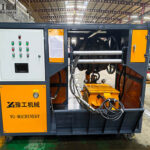
| Hydraulic station dimensions(mm) | 2200*1200*1700 | 2200*1200*1700 | 2200*1200*1700 | 2200*1200*1700 | 2200*1200*1700 | 2120*1240*1200 | |
| Main motor power | 22kw | 22kw | 30kw | 30kw | 30kw | 45kw | |
| Hydraulic system pressure | 0-16Mpa | 0-16Mpa | |||||
| Particle size | 15mm | 15mm | 38mm | 38mm | 38mm | 60mm | |
| Reeling system speed | 0-10r/min | 0-10r/min | |||||
| Hydraulic hoses | 50m (Standard configuration) | 50m (Standard configuration) | |||||
| Control system | Wireless remote control | Wireless remote control | |||||
| Lighting system | Underwater LED lights *2 | Underwater LED lights *2 | |||||
How Does A Sand Dredging Machine Work?
- Lower – place the machine in the water using a crane or davit.
- Drive – use the wireless remote to drive it along the bottom. The tracks work on soft sediment.
- Pump – the pump sucks up the sludge and pushes it through the floating hose to shore.
- Dispose – the material is pumped to a settling area, dewatering bag, or truck.
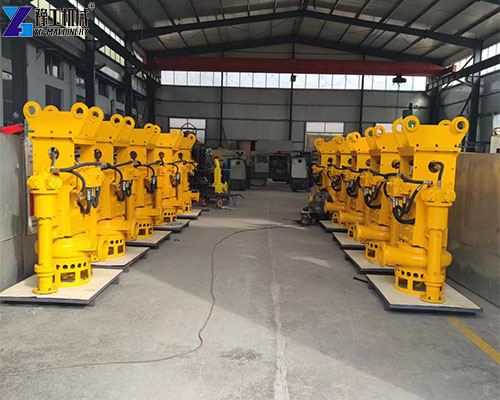
The pump has an agitator that stirs up settled material, turning it into a pumpable slurry. No pre‑mixing required.
Where Can You Use A Dredging Robot?
- Industrial tanks – the machine enters through manholes. It works in confined spaces where larger dredges can’t go.
- Ponds and lagoons – the tracks work on soft bottoms without sinking.
- Oil storage facilities – the machine is explosion‑proof. It can work in volatile environments.
- Water treatment plants – cleaning clarifiers and settling basins without taking them offline.

How To Choose The Right Sand Dredger For Sale?
- Size of your water body – small pond or tank → YG-500 or YG-600. Large lagoon → YG-1200.
- Material type – fine silt → any model. Gravel and rocks → YG-1200 (60 mm particle size).
- Pumping distance – short distance → any model. Long distance or uphill → check pump head.
- Access – tight manhole → smaller models (YG-500/600).
One Last Truth
Draining is expensive. Shovelling is dangerous. A dredging robot works underwater, while you stay dry and safe.
👉 Email admin@chinayugongmachinery.com now. Tell me your application and water body size. I’ll recommend the right model within 24 hours.