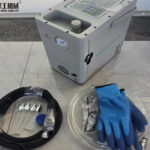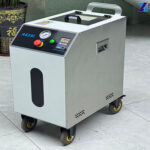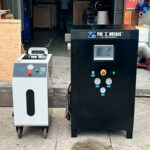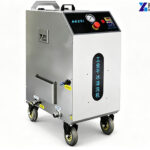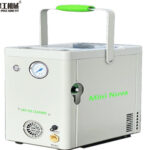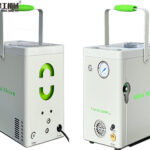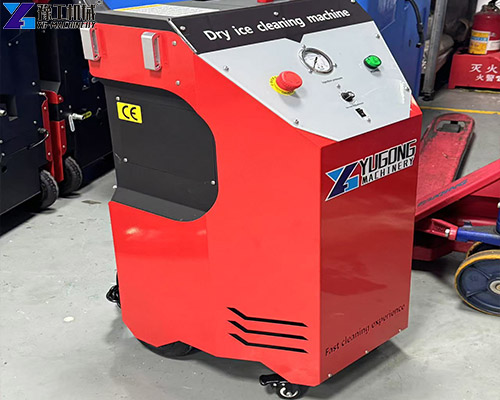
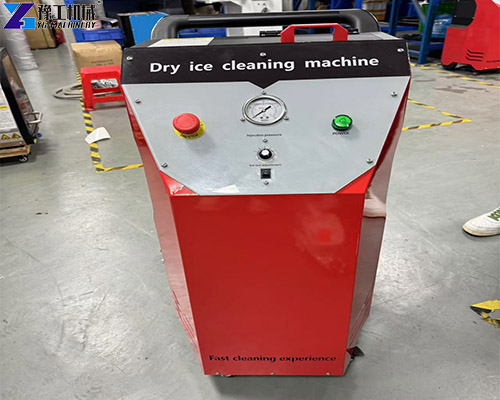
Choosing a compact dry ice cleaning machine is not simply about finding the smallest model available. The right equipment should match the cleaning area, compressed air supply, dry ice consumption, operating environment, and required flexibility.
A small dry ice blaster can be a practical option for workshops, maintenance teams, automotive cleaning, and other applications where operators need a relatively compact machine without giving up adjustable cleaning performance.
This guide explains the key specifications of the YG-P7X, how its cleaning system works, and what to look for when choosing compact dry ice blasting equipment.
Small Dry Ice Blaster Technical Parameters
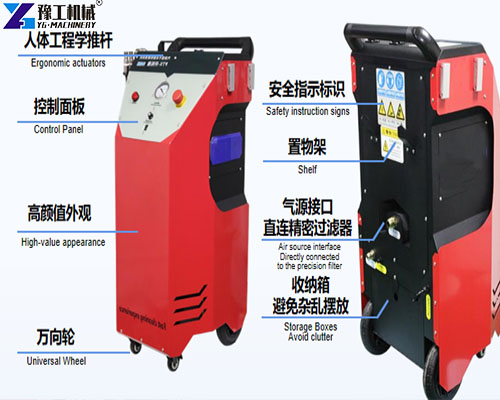
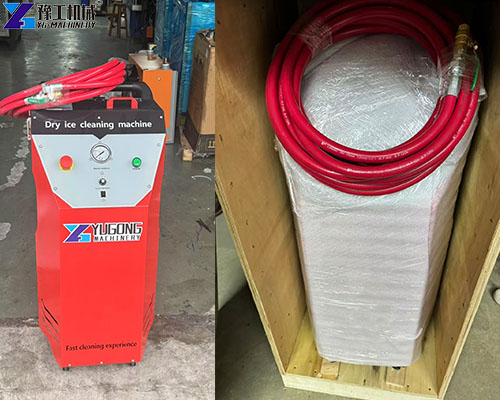
Before choosing a machine, start with the specifications that directly affect cleaning performance.
The YG-P7X uses granular dry ice measuring 2.5- 3 mm and provides adjustable air consumption and ice delivery speed. Its main specifications are:
| Item | YG-P7X Specification |
| Power | <500W |
| Voltage | AC220V / 50-60HZ |
| Air consumption | 0.8-3.0m3/min adjustable |
| Air supply pressure | 0.1-0.9MPa adjustable |
| Ice delivery speed | 0-0.75Kg/min adjustable |
| Hopper capacity | 10.5Kg |
| Dry ice size | 2.5-3mm granular |
| Protection level | IP54 |
| Weight | 55Kg |
| Dimensions | 510 x 460 x 960mm |
| Drive method | Direct link |
Why Do These Parameters Matter?
Air consumption determines the compressed air requirement of the machine. The YG-P7X supports 0.8-3.0m3/min adjustable air consumption at 80 PSI.
Ice delivery speed can be adjusted from 0 to 0.75Kg/min. This gives operators more control when working with different contamination levels or cleaning requirements.
The 10.5Kg hopper provides a practical dry ice storage capacity, while the 55Kg machine weight and 510 x 460 x 960mm dimensions should be considered when planning transportation and workspace requirements.
Dry Ice Pressure Washer Working Principle
A dry ice pressure washer uses compressed air to carry dry ice particles through the blasting system and onto the contaminated surface.
The YG-P7X uses a direct-through air system. According to the product documentation, the dry ice blasting outlet is designed with “zero” obstruction, helping improve compressed air utilization. Its air-material mixing head is designed to control pressure loss within 8%, helping reduce air loss while maintaining spraying pressure.
The cleaning process can therefore be understood through four basic steps:
- Dry ice is loaded into the hopper.
- Compressed air enters the cleaning system.
- Dry ice particles are mixed with the airflow.
- The mixture is accelerated through the blasting tube and spray gun toward the contaminated surface.
The inlet also includes a filter. The documentation notes that dry compressed air can reduce the possibility of ice blockage during operation.
Small Dry Ice Blaster Features to Check
When selecting a compact machine, specifications are only part of the decision. Machine structure and operator usability can also affect the overall cleaning experience.
1. Anti-Clogging Design
The YG-P7X includes a vibration anti-clogging module as part of its main equipment structure. This is designed to support continuous and smooth ice delivery during blasting.
2. Flexible Low-Temperature Hose
The machine uses a dedicated low-temperature hose with quick connectors. The hose is designed to withstand high pressure and low temperatures while maintaining flexibility.
This is particularly useful when operators need to clean overhead areas or work at difficult angles.
3. Simple Operation
The handle includes a safety protection switch, while the operator can switch freely between ice blasting and air blasting.
The documentation also describes the control panel as simple and easy to operate, with the handheld components designed according to ergonomic principles.
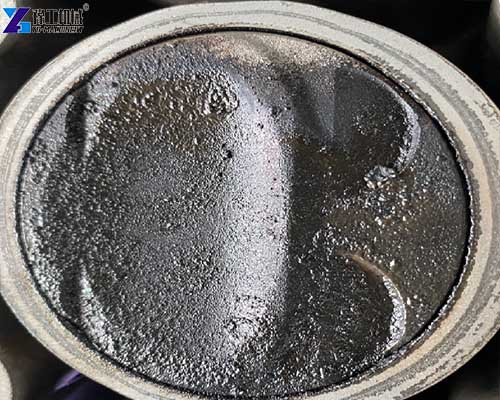
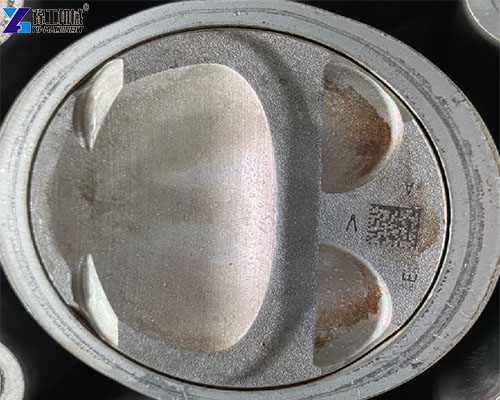
Dry Ice Cleaning Car Machine Applications
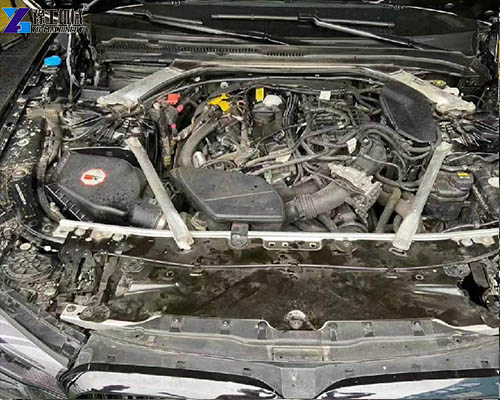
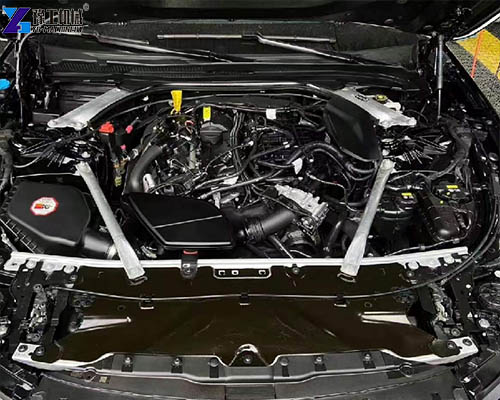
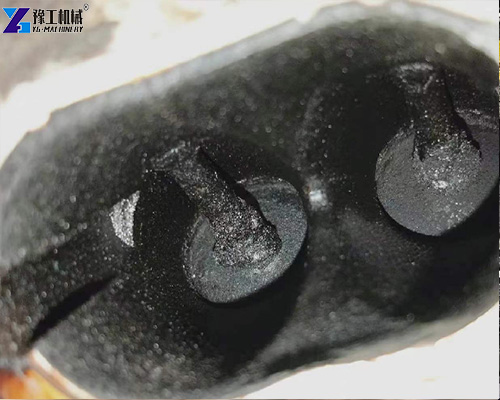
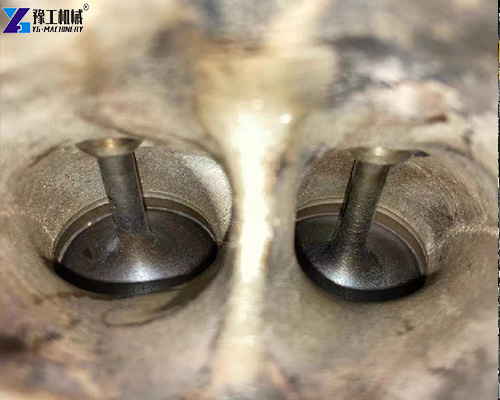
A dry ice cleaning car machine can be considered when automotive components require cleaning without introducing conventional liquid cleaning materials.
For automotive workshops, the key consideration is not simply whether the machine is compact. Operators should also consider the available compressed air, required cleaning intensity, hose flexibility, and access to difficult areas.
The adjustable ice delivery rate of the YG-P7X allows the operator to control the amount of dry ice delivered during cleaning.
The same type of compact dry ice equipment can also be considered for maintenance and cleaning tasks where flexible handheld operation is important.
Small Dry Ice Blasting Machine Selection Guide
When comparing a small dry ice blaster with other models, ask these questions first.
1. What Is the Cleaning Application?
Identify the surface and contamination before choosing the machine.
Different jobs may require different cleaning intensity, so adjustable air pressure and ice delivery can be useful.
2. What Compressed Air Supply Is Available?
Check whether your compressor can provide the required air volume and pressure.
The YG-P7X supports 0.8-3.0m3/min adjustable air consumption and 0.1-0.9MPa adjustable air supply pressure.
3. How Important Is Hose Flexibility?
If operators frequently clean overhead areas, corners, or difficult angles, hose flexibility should be included in the selection criteria.
The YG-P7X uses a low-temperature flexible hose with quick connectors for easier handling.
4. Is Easy Maintenance Important?
Look for a machine with accessible components and a practical structural design. The YG-P7X uses standard electrical components and precision-machined parts, while its overall housing and structure are made from stainless steel.
Small Dry Ice Blaster vs Traditional Cleaning Equipment
When choosing cleaning equipment, it is useful to compare the cleaning process rather than focusing only on machine size.
| Factor | Dry Ice Blasting |
| Cleaning medium | Dry ice |
| Water required | No |
| Chemical cleaning solution | Not required |
| Ice delivery | Adjustable |
| Air pressure | Adjustable |
| Cleaning control | Adjustable |
The YG-P7X also uses a separate electrical box design. According to the product documentation, this structure provides an independent space intended to improve electrical safety and durability.
Dry Ice Pressure Washer Features for Daily Operation
A compact machine should be practical not only during cleaning but also before and after operation.
The YG-P7X includes a rear storage box for organizing accessories and keeping the workstation more orderly. The stainless steel exterior and structure are designed for durability.
The machine also includes an electrostatic protection function and standard electrical components from established brands, according to the product documentation.
These details may seem minor during initial selection, but they can matter when the equipment is used repeatedly by maintenance personnel.
Small Dry Ice Blaster: Final Selection Checklist
Before choosing a small dry ice blaster, review these five points:
- Air supply: Does your compressor meet the required airflow and pressure?
- Ice output: Is adjustable ice delivery useful for your applications?
- Hose flexibility: Will you need to clean overhead or difficult-to-reach areas?
- Operation: Are the controls and spray gun comfortable for repeated use?
- Machine structure: Does the equipment provide the durability and protection required for your working environment?
For the YG-P7X, the combination of adjustable air consumption, adjustable ice delivery, anti-clogging design, flexible low-temperature hose, ergonomic handheld operation, and stainless steel construction provides a practical configuration for compact dry ice cleaning applications.
If you are comparing compact dry ice cleaning equipment, start with your actual cleaning conditions rather than choosing based on machine size alone. Matching air supply, ice output, hose requirements, and operating conditions will help you select a more suitable solution.